

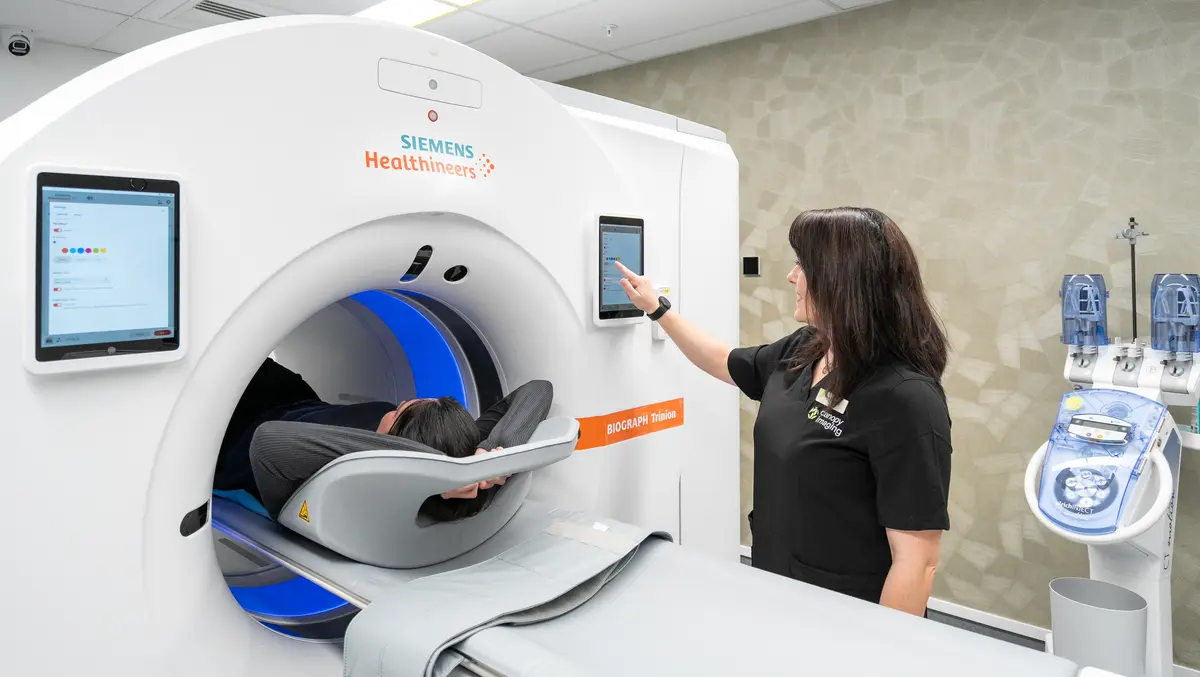
Canopy opens NZD $30 million Auckland imaging centre
Mon, 30th Nov 2026 (Today)
Canopy Healthcare will open a NZD $30 million diagnostic imaging and treatment facility in Auckland, aimed at expanding access to imaging, cancer care and cardiology services across New Zealand.
The 3,677-square-metre facility in Newmarket, near Auckland City Hospital, is due to begin seeing patients in January and will employ about 50 staff. It is expected to add capacity for thousands of scans and specialist procedures each year.
The centre will combine MRI, CT, PET-CT and SPECT-CT scanning with ultrasound, X-ray, 3D breast imaging and bone density testing. It will also provide cancer diagnostics and treatment, interventional radiology, cardiology consultations and procedures, and specialist services in orthopaedics, otolaryngology, urology and general surgery.
The investment comes as demand for diagnostic imaging rises in New Zealand. Government figures show the health system delivers or funds more than 2.5 million radiology scans and procedures each year, while urgent CT and MRI referrals rose 10% in the year to June 2026.
Integrated model
Canopy, which describes itself as the country's largest private combined diagnostic imaging and medical oncology provider, said the new centre would bring several services into one location to improve coordination between diagnosis and treatment. The site will also support the company's wider North Island clinic network.
Planned oncology services include theranostics, which combines molecular imaging with targeted radiation treatment. The centre will also offer targeted molecular therapies for selected patients with advanced prostate cancer and rare cancers affecting organs including the pancreas, liver, lungs and digestive system.
The site will also introduce a non-surgical treatment for selected non-melanoma skin cancers. The treatment uses a radioactive paste containing rhenium, typically applied in a single session, as an alternative to surgery for suitable patients. Canopy noted that an estimated 90,000 cases of non-melanoma skin cancer are diagnosed in New Zealand each year.
Chief Executive Chris Caradus outlined the rationale for the development.
"Patients with complex medical conditions often require multiple investigations, specialist consultations and treatments before a clear picture of their condition can be established. By bringing more of these services together, we can make it easier for clinicians to collaborate, reduce unnecessary steps in the patient journey and help people move more efficiently from diagnosis to treatment. This investment will significantly expand our capabilities and strengthen the specialist services we can provide patients through our wider healthcare network," Caradus said.
Regional access
The Auckland centre is also expected to support patients outside the main cities through Canopy's existing network of clinics in Northland, Rotorua, Taupō, Gisborne, Hawke's Bay, Taranaki, Manawatū, Horowhenua and Wairarapa. Some procedures and treatments require specialist staff who may not be available on a permanent basis in smaller centres.
Cardiology provider Cardia Care will operate on site, giving patients access to heart specialists and cardiac imaging expertise alongside the centre's other services. The facility will also support coordinated patient pathways with Canopy's oncology arm, Canopy Cancer Care, while broader cancer treatment services will remain at existing locations.
Dr Martin Gunn said the model reflected wider changes in how complex diseases are diagnosed and treated.
"We're not simply building a new imaging centre. We're bringing together the specialties, technology and treatments needed to diagnose and manage complex diseases, while putting the patient at the centre of that care. Advanced healthcare increasingly relies on teams of specialists working together, rather than individual doctors working in isolation. One frustration in private healthcare in New Zealand is that patients often have to navigate a fragmented system, with different specialists and providers working independently. This creates a risk that patients fall through the gaps, with investigations, follow-up or treatment delayed or overlooked. When specialists work together, communicate directly, share information and coordinate care through multidisciplinary meetings and face-to-face discussions, it leads to better clinical decisions and a better experience for patients. The facility will offer advanced developments in cancer diagnosis and treatment, including molecular imaging and targeted radionuclide therapies. These allow us to identify specific characteristics of a patient's cancer and, in selected cases, deliver treatment directly to the cancer cells," Gunn said.