Marsden Point among seven new beach bans as Whangārei council backs down on Uretiti South
Thu, 26th Nov 2026 (Today)Four-wheel drives and other vehicles will be banned from seven new locations, including an almost 3km exclusion zone around Marsden Point's strategically important $2 billion industrial hub, after Whangārei District Council adopted its heavily revised new Vehicles on Beaches Bylaw on Tuesday (SUBS: November 24).
The new restrictions come into force on December 18 after a year-long review.
But councillors backed away from their most controversial proposal, reducing a planned vehicle ban along the full 4km length of Uretiti South beach by more than half after strong opposition from beach vehicle users.
The final Uretiti South changes have been labelled disappointing by conservationists and some four-wheel-drive enthusiasts who wanted to retain full vehicle access.
Marsden Point's new 2.8km exclusion zone is now Whangārei's longest continuous single vehicle ban.
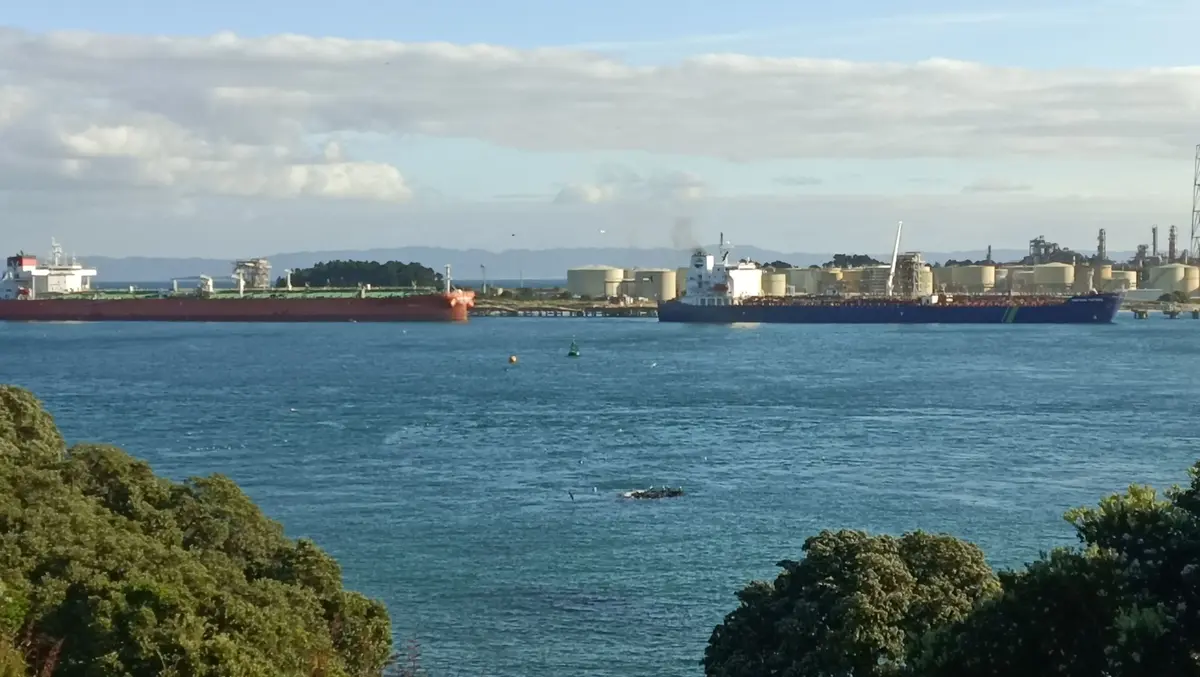
It wraps around the Marsden Point industrial hub, stretching north along Bream Bay from Mair Rd into Whangārei Harbour to Northport, and includes the beach crossed by the unloading jetty for New Zealand's largest fuel import terminal, which handles about 40% of New Zealand's fuel imports and 80% of its aviation fuel.
While most New Zealand beach vehicle bans are aimed at protecting wildlife, reducing dune damage or improving public safety, the Ruakākā North restriction also creates a vehicle-free buffer around one of the country's most strategically significant industrial precincts.
Whangārei Mayor Ken Couper said Tuesday's bylaw adoption was a positive outcome after what had been a complex process given the strongly held and often polarised views involved.
Meanwhile Whangārei District Council (WDC) strategic planner Will McNab said the new Uretiti South bylaw represented compromise.
"This is a compromise solution that balances competing interests," McNab said.
The council originally proposed banning vehicles along the entire 4km beach south of Uretiti South's Tip Rd accessway to the Waipu River mouth.
Instead, vehicle access has been retained for the first 2.2km south of Tip Rd.
The final ban covers just the southern 1.8km of beach adjoining the Waipu Government Purpose Wildlife Refuge Reserve.
McNab said the new restriction would add enforcement weight to existing protections already covering the refuge area.
He said councillors had considered three Uretiti South options: retaining the status quo, adopting the proposed full ban, or introducing an amended restriction.
The ban reduced some risk to vulnerable dune systems and habitats, although 2.2km of sensitive coastline would remain exposed to potential damage, he said.
McNab said updated maps and signage would be installed, including information at the Tip Rd entrance and at the start of the wildlife refuge area.
He warned proactive bylaw compliance monitoring was not achievable within current council budgets and service levels, while enforcement remained constrained by available resources and powers.
But Forest and Bird northern branch chair Bruce Bird described the final Uretiti South decision as a backdown.
"It was disappointing, but predictable," Bird said.
The council had bowed to pressure from four-wheel-drive users who felt it was their right to access the beach, and the compromise would be difficult to enforce, he said.
People already ignored existing Northland Regional Council restrictions and drove into the wildlife refuge, Bird said.
Policing the new ban would also be problematic because many beach users did not know where the refuge boundary lay.
He said Forest and Bird and the Bream Bay Conservation Trust had previously paid for signs warning motorists out of the refuge, but they had been burned down.
Whangārei District Council Bream Bay councillor Dave Baldwin unsuccessfully sought to strengthen the compromise with an eleventh-hour amendment warning further restrictions could follow if motorists failed to act responsibly on the retained beach-access section.
Baldwin said his move aimed to protect an environment that remained at risk, recognising the challenges facing threatened bird species such as the New Zealand fairy tern as they potentially spread north from Waipu Cove and the Waipu Estuary.
Whangārei Four Wheel Drive Club president Adam Karl welcomed the compromise.
"It's a great compromise. The people have spoken.
"To be honest, it's better than I thought it would be."
Karl said a simple marker, such as a brightly coloured post visible from the beach, was needed to clearly show where the wildlife refuge began.
"It would take time, but everybody would get to know not to drive south of the red post, or whatever colour it was," Karl said.
But New Zealand Four Wheel Drive Association representative Waipu's Daniel Smith was unhappy with the new Uretiti South restriction, saying it formed part of what would become a large section of Bream Bay closed to vehicles.
The council's retreat from a full Uretiti South ban followed strong opposition from beach vehicle users, many of whom told the council they relied on driving south of Tip Rd to reach fishing spots, launch kayaks, transport equipment and access remote parts of the beach.
Others argued a full ban would displace vehicle traffic north towards the Uretiti Department of Conservation campground and create fresh safety issues.
Uretiti South generated the strongest response of any issue in the bylaw review, with 44.7% of respondents supporting retention of full vehicle access.
Whangārei's new Vehicles on Beaches Bylaw creates nine vehicle exclusion areas, one new restricted-use beach and tougher rules at another already conditional-use beach.
The seven new bans are at Bland Bay, Marsden Point, Matapōuri, Ōakura, Uretiti South, Whangaumu/Wellington Bay and Woolleys Bay, with limited launch and retrieval corridors for boats in some locations.
These are in addition to two existing bans around Ruakākā River and surf club plus at Langs Beach.
The council had also proposed banning vehicles from 87% of Sandy Bay despite not consulting on that option during public submissions.
However, that changed on Tuesday after a fourth-generation local resident warned the council its proposed boat-launching area was exposed to unsafe north-west swells.
Under the adopted rules, Sandy Bay vehicle access will remain, but only for tractors and all-terrain vehicles.
The bylaw also tightens restrictions at the eastern end of Langs Beach, banning four-wheel drives while continuing to allow tractors and all-terrain vehicles.
Alongside the bylaw, the council adopted a Vehicles on Beaches Control 2026 document enabling minor management changes without requiring a full bylaw review and containing maps of each exclusion area.