Engage early with WorkSafe’s concerns and directives, accept responsibility and get the problem fixed. That will give you a much better run than ignoring the rules in the hope they will go away. Sanal Lonappan found that out to his cost when he defied inspectors and continued refurbishing a building confirmed to contain asbestos, despite a prohibition notice ordering the work to stop.
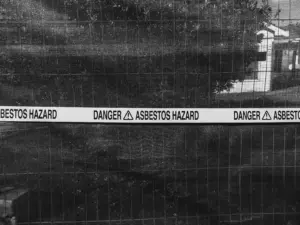
WorkSafe is reminding property owners, and those carrying out building work, that inspectors’ notices are legally binding – and ignoring them puts safety at risk.
Lonnapan was charged under the Health and Safety at Work Act (HSWA) with breaching a prohibition notice, failing to give all reasonable assistance to WorkSafe New Zealand inspectors to enter, inspect, examine, inquire or exercise any other power under HSWA; and intentionally removing a prohibition notice. He was fined $32,000.
WorkSafe may be focusing on guidance, support and enforceable undertakings to keep workers alive, but it does not come at the cost of enforcement where necessary.
“The point is not to reduce enforcement. It is to make enforcement more predictable and more transparent,” says WorkSafe Chief Executive Sharon Thompson.
“Everything I describe . . .new Approved Codes of Practice, industry-led pilots, the endorsement policy, the guidance refresh, proportionate enforcement – is focused on one outcome: fewer people being seriously injured or killed at work,” she told Industrial Safety News.
WorkSafe began issuing notices to Lonappan in May 2022 after becoming concerned asbestos was present. What followed was a sustained pattern of non-compliance. Lonappan repeatedly ignored statutory requests to provide documents and information.
Asbestos is the leading cause of work-related death in New Zealand, killing around 220 people every year. Because symptoms can take decades to appear, exposures today may not become visible for years.
Failing to cooperate with WorkSafe inspectors is a criminal offence under the Health and Safety at Work Act 2015
WorkSafe’s area manager, Carl Baker, says the defiance was repeated, deliberate, and ultimately unsuccessful. Inspectors observed work continuing in breach of the prohibition notice and Lonappan was seen removing notices affixed to the building’s entrances.
“This was not a one-off lapse. There were multiple chances to engage and put things right. Ignoring our notices did not avoid accountability – it led to a conviction and a fine.
“When we issue a prohibition notice, work must stop immediately. That notice exists because there is a risk of serious harm. It is a legal requirement, not a suggestion.”
“The risk here was very real – soffit linings were being removed from a canopy directly above a public footpath. When asbestos-containing materials are disturbed without proper controls, fibres can become airborne – putting workers and passers-by in danger.”
Rules for managing asbestos
Anyone planning work on buildings built or renovated before 2000 should treat asbestos as a live risk.
If you are carrying out refurbishment or demolition work, you must:
- commission an asbestos survey from an accredited surveyor before work begins
- never disturb or remove materials that may contain asbestos without proper testing
- where removal is required, use a licensed removalist
- immediately comply with any prohibition notice
WorkSafe has recently updated its asbestos guidance which is now tailored for different users, including property owners, tradespeople, surveyors and removalists.
WorkSafe’s updated asbestos guidance