Decarbonisation stories
Private technology firms are poised to dominate infrastructure, as automation and data reshape jobs, services and investment across the sector.
Lockdowns are set to cut CO2 emissions by at least 5% this year, but any climate gain could be erased unless stimulus backs cleaner growth.
New roads, rail, schools and hospitals should help address years of underinvestment, though critics question whether USD $12 billion is enough.
Investors may pour more money into low-carbon projects this year, but election outcomes and climate shocks could still slow decarbonisation.
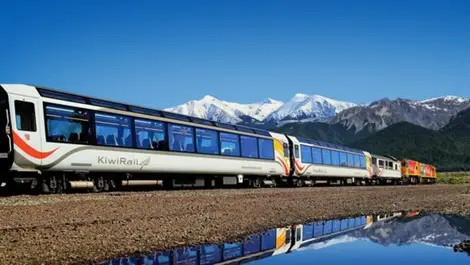
Long-term upgrades to tracks, trains and ferries could finally be unlocked as the government shifts rail funding away from annual budget battles.
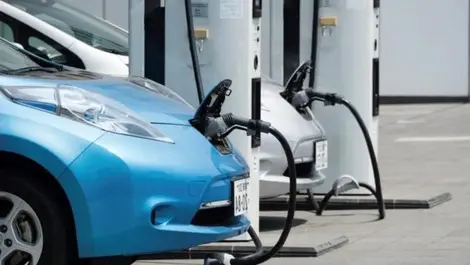
Grid operators face mounting strain as battery electric vehicle demand is forecast to lift installed base above 100 million by 2029.
Demand for high-quality recycled plastics is rising as Borealis turns waste into branded consumer goods through key partnerships.
Australia faces a 1 percent of GDP infrastructure gap as rapid city growth, labour shortages and slower productivity strain new projects.
Britain could cut aviation emissions and landfill use as a planned waste-to-fuels plant near Immingham seeks approval, creating 130 jobs.
The cancelled Waitaha project exposes how uncertain consents can waste years and millions for regional developers and renewables alike.
New draft carbon standards and a new expo zone will give New Zealand building owners practical steps towards net zero by 2050.
Flexible working could slash office costs and give staff a workspace near home, as Regus pitches on-demand offices to firms.
The Texas plant could help slash emissions from electricity generation if its carbon-capture system proves cheap enough for mass adoption.
Reopening of the Main North Line helped lift KiwiRail's half-year revenue 12% to GBP £328.8 million and surplus to GBP £16.3 million.
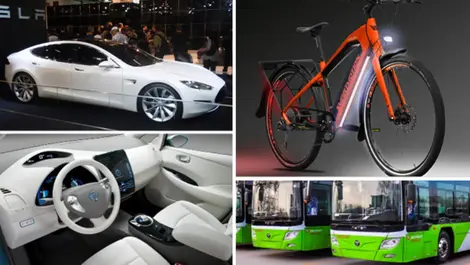
New Zealand could slash transport emissions by up to 88% by 2050 if policymakers back a faster switch to electric and renewable fuel vehicles.
Delaying climate reform could make New Zealand’s shift to a low-emissions economy costlier, more abrupt and far harder to manage.
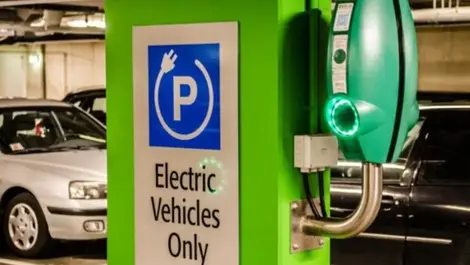
Northland’s fast-moving network of chargers is helping EV drivers reach Cape Reinga, with 13 stations now in place across the region.
The rail operator plans to measure and report emissions, while shifting more freight off roads could cut New Zealand's annual output by 518,000 tonnes.
Lower-emission cars could become more affordable in New Zealand if ministers adopt incentives, fuel pricing reforms and tougher scrappage rules.
A lack of concrete policy could leave New Zealand’s 2050 climate goals out of reach, academics warn as consultation opens on the Zero Carbon Bill.