

NZAero seeks AI training partners as CT-4 restarts
Fri, 21st Aug 2026
NZAero is seeking partnerships with New Zealand technology companies to develop an AI-enabled pilot training system as the Waikato aircraft manufacturer restarts production of its CT-4 Airtrainer.
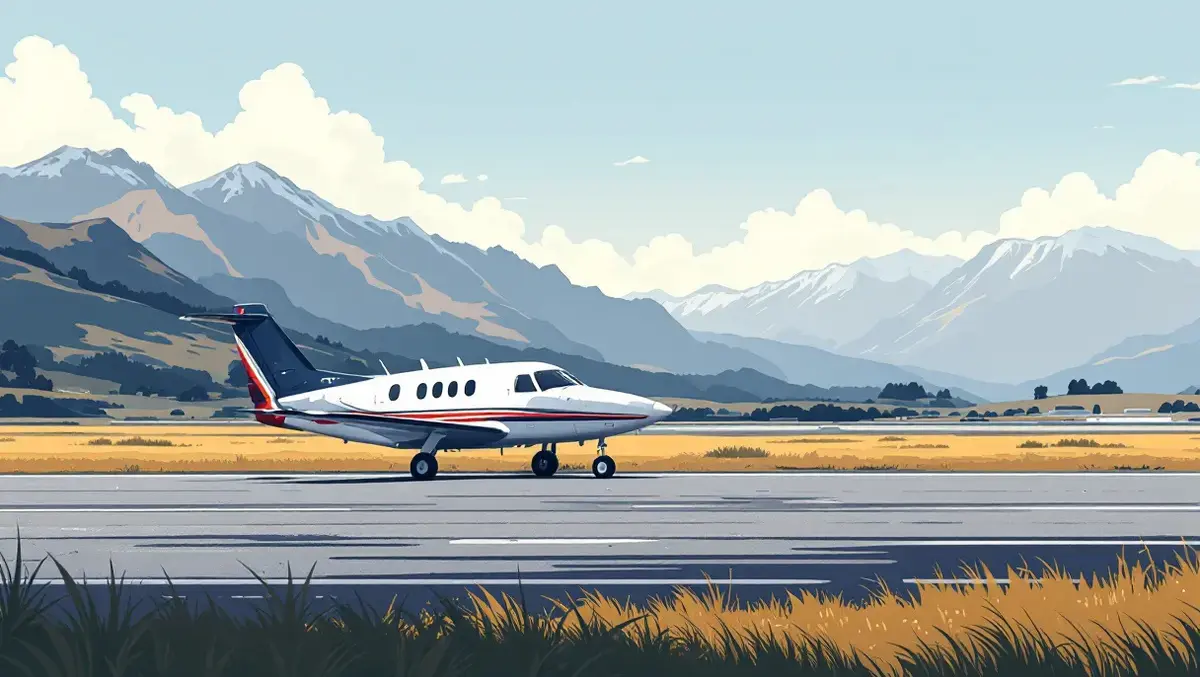
The company has begun building five new CT-4 aircraft, the first production run for the model in 14 years. The updated version retains the existing airframe while adding systems to record aircraft position, engine parameters, avionics information and video during training flights.
That data could be transmitted back to base for instructor review. NZAero is also exploring whether artificial intelligence could analyse the information to identify patterns in pilot performance, flag safety risks and give instructors a more detailed picture of each sortie.
The project is part of an effort to combine aircraft manufacturing with software and data analysis at a time of rising global demand for pilot training. Boeing has forecast that commercial aviation will need 674,000 new pilots over the next 20 years, sharpening interest in aircraft and training systems used at the start of the pilot development pipeline.
Stephen Burrows, Chief Executive Officer of NZAero, said flight schools and military operators were under growing pressure to train new pilots.
"The CT-4 occupies a specialist position at the introductory end of the pilot training pathway, providing trainees with an aircraft on which to develop core flying skills before progressing to significantly faster and more technologically complex aircraft," Burrows said.
NZAero says the CT-4 sits in a relatively narrow segment of the market with few direct rivals. The manufacturer is targeting both military and civilian customers, including organisations involved in airline pilot training.
Burrows said that opportunity reflected both the aircraft's track record and the changes in the latest version.
"There are only a small number of aircraft that compete directly in this category, and the competing designs are also relatively old.
"What we have is a proven aircraft that is now being brought back into production with a modern glass cockpit, flight data capture, and significant safety and performance improvements.
"We are also seeing growing international interest from civilian operators involved in airline pilot training.
"The CT-4 provides that important first step in a pilot's development. It allows trainees to establish core flying skills in an aircraft that is straightforward and forgiving to operate before progressively introducing the speed, technology and complexity of more advanced platforms.
"With particularly strong aviation growth forecast across our region, we believe there is a real opportunity for New Zealand to capture a larger share of this international market," Burrows said.
Thailand agreement
The technology push is unfolding alongside a new aviation agreement with Thailand, a market that has long used the CT-4 for military pilot instruction. NZAero says the agreement could generate tens of millions of dollars in export revenue over the next three years.
Thailand is already an established customer for New Zealand-made training aircraft. NZAero estimates about 3,500 Thai pilots have undergone basic flight training on the CT-4 at least once since the aircraft entered service there in 1973.
The Royal Thai Air Force currently operates 25 CT-4 aircraft, including 19 CT-4Es that NZAero is discussing modernising. The proposed work would replace older instrumentation with electronic avionics and add safety, reliability and performance improvements, although the programme still requires Thai government budget approval.
Burrows said the agreement expanded an existing relationship.
"The agreement is an important endorsement of what our team in New Zealand has been able to deliver and provides a platform for us to deepen our aviation relationship with Thailand," he said.
Thailand currently accounts for about 10% of NZAero's business and could rise to about 20% within the next year if the modernisation work proceeds. The company is advertising 10 roles across quality, safety and logistics as it expands to support export work.
Civilian demand
NZAero has restarted CT-4 production before securing buyers for the first five aircraft, reflecting what it sees as stronger international interest, particularly from civilian training operators.
One area of demand is upset prevention and recovery training, or UPRT, which teaches pilots to recover from unusual aircraft attitudes and loss-of-control situations. Many aerobatic aircraft used for that kind of instruction have tailwheel layouts that can be harder for inexperienced pilots to manage.
The CT-4 instead uses a tricycle undercarriage and side-by-side seating, allowing instructor and trainee to sit alongside each other. NZAero argues that layout makes the aircraft easier to use earlier in training.
Burrows said the civilian segment had become increasingly attractive.
"The civilian market is particularly interesting because there is a shortage of suitable aircraft for this type of training globally.
"The same characteristics that have made the CT-4 successful as a military trainer for more than half a century also make it relevant to a new generation of commercial pilots," he said.
Local partners
The AI element of the plan would draw on New Zealand firms working in synthetic training, data capture and related software. NZAero is investigating how those capabilities could be combined with the aircraft itself to form a broader training product for overseas customers.
The aim is not only to sell aircraft, but also to package data and training analysis into a broader offering. For New Zealand's aerospace and technology sectors, that points to a model in which a locally built trainer aircraft becomes the platform for a domestically developed software layer.
Burrows said the data collected from each training flight could support more detailed assessment.
"The technology gives instructors access to significantly more information about each training flight. If AI can be used to interrogate that data, there is potential to identify areas where pilot training and safety can be improved.
"There are New Zealand tech companies already working in areas such as synthetic training and data capture, so we are investigating how that local capability could be combined with the aircraft to create a wider New Zealand-developed aviation training solution," he said.