Heavy traffic dilemma: Gisborne council investigates rerouting trucks
Wed, 26th Aug 2026
Gisborne District Council hopes to investigate whether trucks could be diverted from local roads to state highways.
It comes as a report shows Gisborne's road conditions are deteriorating, but the council needs more information on heavy traffic volumes.
Gisborne District Council confirmed it is seeking NZ Transport Agency Waka Kotahi (NZTA) funding to collect data on heavy vehicle movement in the region to assess whether rerouting heavy goods vehicles would be feasible.
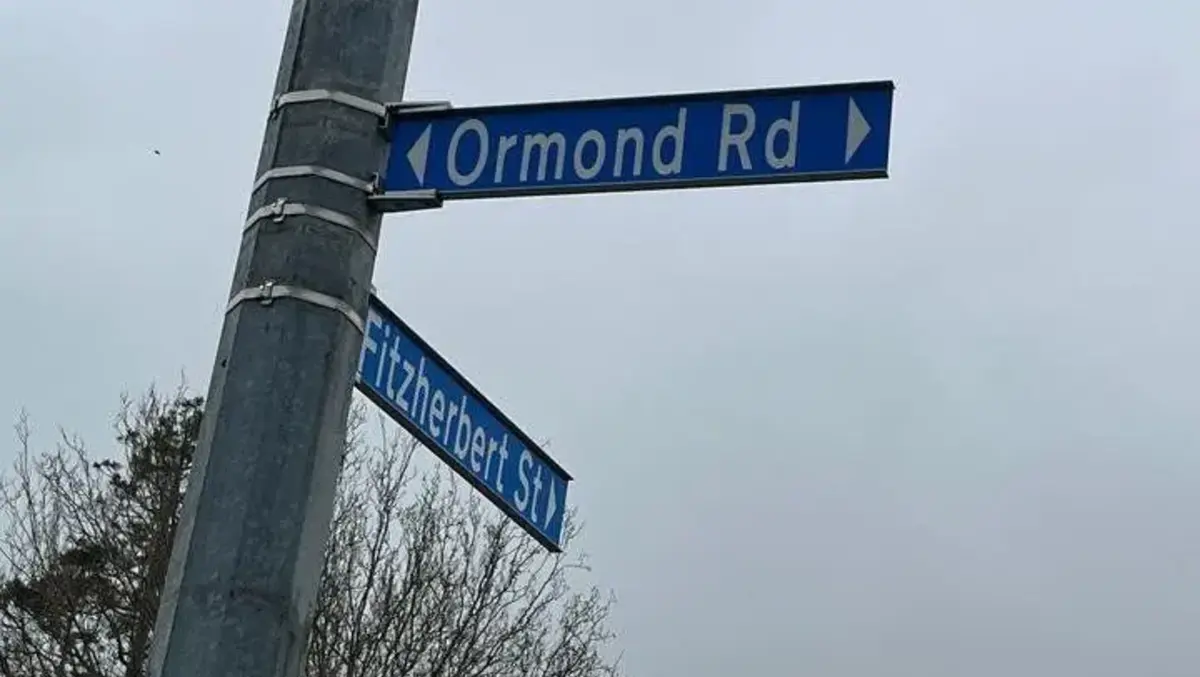
Councillors discussed the issue during a regional transport meeting last week, where councillor Teddy Thompson asked for data on heavy traffic volumes on Ormond Rd.
Thompson suggested a large portion of heavy vehicle traffic used Ormond Rd to get to the port, rather than State Highways.
Ormond Rd runs through Gisborne and offers an alternative route that joins back up with State Highway 35.
Residents on the road were preparing petitions to get heavy traffic diverted, Thompson said.
Councillor Rob Telfer said data collection at the site would be crucial for understanding the impact on infrastructure and asked where data from previous business cases on rerouting in 2020 had gone.
Moving traffic from Ormond Rd would put it past the backyards of Awapuni Rd residents, so there needed to be clear justification for the change, he said.
Contractor James Llewellyn said he had been working with NZTA to secure funding to develop a transport model.
The model would collect data on routes inside and outside Gisborne city about the current usage and routes of heavy goods vehicles in the region.
Llewellyn said previous work by WSP Gisborne offered rerouting options and intersection improvements, but no data on traffic changes.
"Getting more data will be able to quantify what that extra journey time would be, what the cost would be to freight users, what the impact would be on residents in Awapuni Road."
In a statement after the meeting, council general manager journeys Libby Young said the council was committed to investigating alternative routes because residents were concerned about vehicles on Ormond Rd.
"Before changes can be considered, we need reliable information and a robust assessment of the options, including their costs and impacts."
Council periodically collects data across the roading network, but the information was not detailed enough to understand goods vehicle movement across the city, she said.
Locations for data collection would be confirmed if funding was approved.
"A business case would only be developed once the survey and traffic model are complete and would require further council and NZTA funding," she said.
If approved, the earliest start date for a business case would be late 2027.
The community could provide feedback on any plans before changes were made.
Filling the roading knowledge gap
Currently, the only available data was NZTA's State Highways 2 and 35 annual traffic volumes.
The most recent data collection in 2023 showed 15% of State Highway 2's traffic was heavy goods vehicles, compared to 13% on State Highway 35.
The report stated this was a significantly higher proportion of heavy vehicles than the national state highway average, making them important for regional productivity, freight movement and supply chain resilience.
If successful, a new model could identify work needed on intersections and routes if heavy goods traffic were redirected to state highways.
It would become part of NZTA's upcoming 2027-2037 National Land Transport Programme, which funds two-thirds of Tairāwhiti's local roading network.
State of roading
The data collection comes as reports showed important traffic routes and local road asset conditions had declined over several years.
Weather events and slow investment had caused a gradual deterioration of network condition and road smoothness, with performance lower than similar councils across the country, including Hastings District Council.
As national road renewal requirements increased and road conditions deteriorated, increased preventive investment would be needed alongside decisions about renewing end-of-life roads.
Thompson said councillors had stressed that resilience and reliability were their top priorities for spending and he was concerned about deteriorating conditions.
Telfer said preventive measures rather than rebuilding an identical road should be a priority for resilience.
He pointed to NZTA's project at Devil's Elbow as an example, where he suggested putting multiple larger culverts on the existing route could have improved long-term resilience.
Continuing to explore ideas such as a potential 21km Tūtira to Te Pōhue Link Road, estimated to cost $35 million, could improve resilience and take stress off the Waioweka Gorge infrastructure, he said.