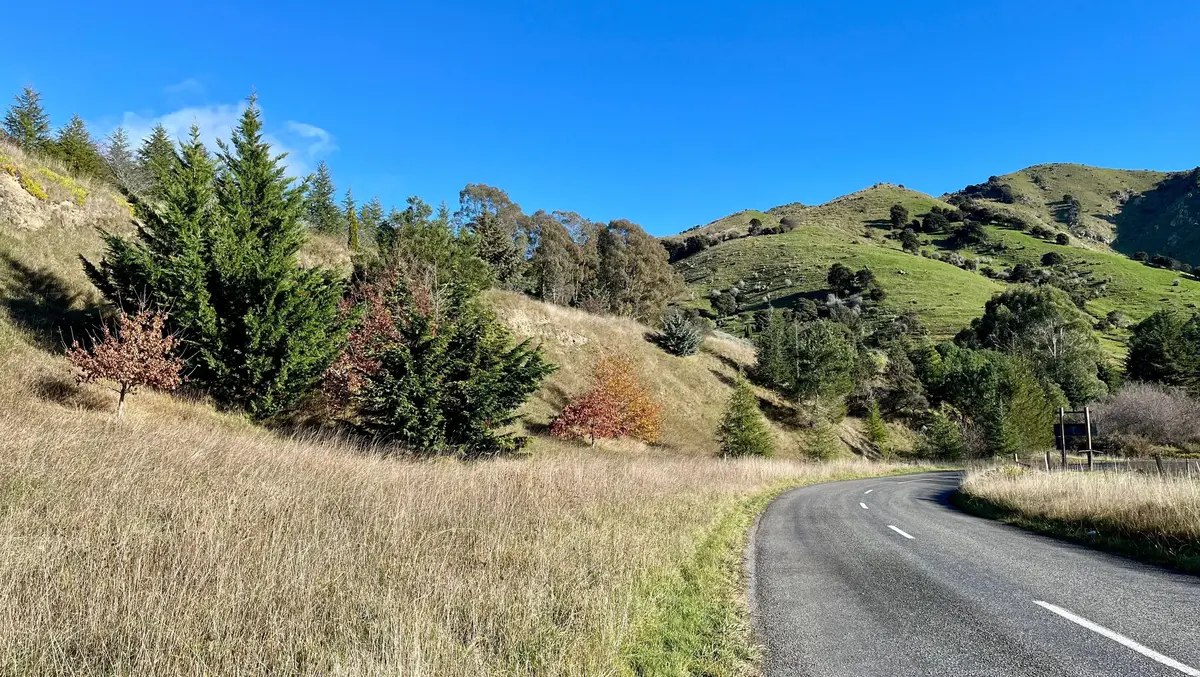
Geologists 'poles apart' on risks new quarry poses to neighbours
Thu, 12th Nov 2026 (Today)Residents living near the site of a proposed quarry near Blenheim are worried it could cause rockfall on their properties.
Earthworks company Gill Construction lodged a resource consent application for Taylor Pass Quarry on Taylor Pass Rd in February, behind a steep grassy hill next to two lifestyle blocks.
The proposal had sparked backlash among the street's rural and suburban residents earlier this year, but most were unable to formally oppose it after Marlborough District Council judged the effects of the quarry would be "less than minor".
Two of the four neighbours deemed affected expressed their fears about the quarry to commissioner Craig Welsh at a consent hearing on Tuesday.
Engineering geologist Mark Foley, giving evidence for Gill Construction, argued that an earthquake posed a far higher rockfall risk to two nearby properties than controlled quarry blasting would.
Ground vibrations from blasting produced roughly 1% of the forces experienced during a major event such as the Kaikōura earthquake, Foley said.
Foley said he had seen evidence of past rockfalls at the quarry site, but rocks had not reached the bottom of the slope where the properties were located.
But engineering geologist Dr Sally Hargraves, giving evidence for the residents, said Foley had not accounted for how repeated blasting could degrade the rock face over time, increasing the risk of rockfall during future flooding or quakes.
She said Foley had calculated the vibration impact on the properties below the site, rather than on the unstable slope between the houses and the quarry where rockfall was more likely to originate.
Foley said that keeping the vibration force below the legal limit, of 2% of the force of gravity, would ensure that any damage to the slope would be negligible.
Both Foley and Hargraves agreed that a mitigation net to catch any falling rocks could address the rockfall risk. But Foley maintained that a net was unnecessary.
Welsh said the geologists' assessment of the risk seemed "poles apart" and he did not want the hearing to get "bogged down".
Welsh instructed Foley and Hargraves to write a joint witness statement, which would give them the opportunity to "narrow down" their disagreement.
Resident Vicky Nalder-Clyde said Gill Construction had understated the rockfall risk and left "a list of unanswered questions".
Neighbouring residents had been treated with "little respect from the beginning", Nalder-Clyde said.
"All the technical experts [in the world] cannot engineer a quarry if the site is not suitable. The rockfall hazard is real."
Nalder-Clyde said the application was focused on private economic benefit "to the detriment of the neighbours and the wider community".
Gill Construction general counsel Quentin Davies said Marlborough had a deficit of rock and needed the quarry to support infrastructure, and "protect people and communities... and alleviate costs to the ratepayer".
Welsh said that Gill Construction would need to address questions over water permits, dust suppression, and an updated site plan over the next fortnight.
Foley and Hargraves' joint statement could take two to three weeks, he said.
The answers and joint statement would be reviewed by council planners and the residents, before Gill Construction submitted its final written response to Welsh, who would then make a decision.