Dunedin and Wellington-based social enterprise Thankyou Payroll is launching an equity crowdfunding campaign to fund development and prepare for IRD changes.
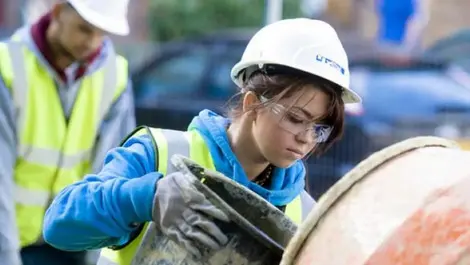
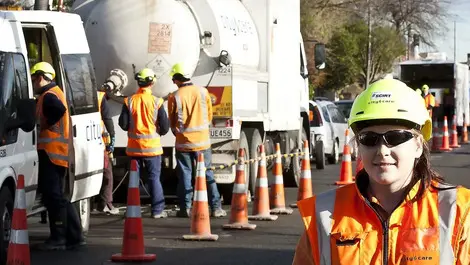
Women in construction will be able to apply for full funding towards a safety certificate, with applications opening on 1 July.
Kiwi businesses should gain a single nationwide supplier of integrated occupational health services as two providers join forces.
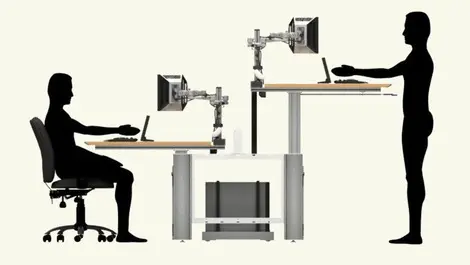
Reduced sitting at work may improve health and productivity, as a New Zealand study finds adjustable desks boost movement without more tiredness.
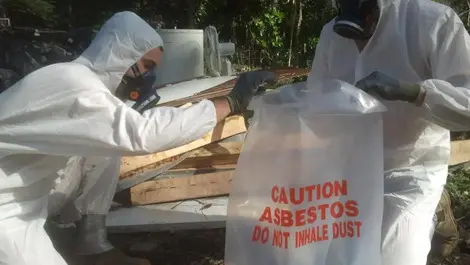
Potential course fees of up to GBP £1,500 loom as WorkSafe consults on training rules for asbestos removal workers.
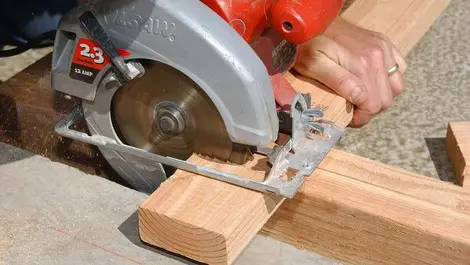
A Christchurch timber supplier has been fined GBP £20,000 after a worker lost two fingers to an unguarded saw blade.
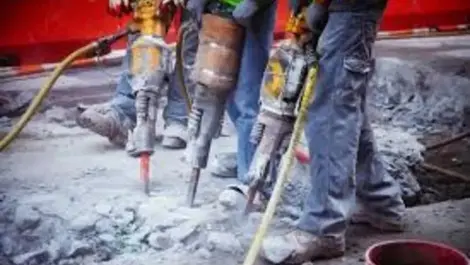
Vibrating tools and repeated hand trauma can cause a rare finger syndrome that may lead to serious injury or amputation if missed.
Workers are more likely to accept organisational change when managers replace top-down messaging with dialogue, empathy and preparation.
More than 21,300 operations have been performed on the bus, which health consultants say prevents up to 300 rural patients a year missing surgery.
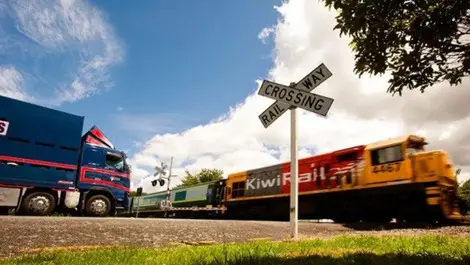
Drivers near the Main North Line are being urged to stay alert as maintenance trains resume between Picton and Christchurch after the Kaikōura earthquake.
One in five New Zealand employees face bullying for six months or more, with the fallout spreading to morale, performance and staff turnover.
Inspectors issued enforcement notices in hundreds of cases after noise, chemicals, silica and asbestos emerged as key workplace hazards.
Free occupational health checks will reach about 400 Canterbury rebuild workers as WorkSafe warns of risks from dust, noise and asbestos.
Nearly half of mining safety certificate candidates failed last year as examiners said many lacked the legislative knowledge needed for safe operations.
Disabled New Zealanders could gain wider access to jobs and services if proposed law introduced mandatory minimum accessibility standards.
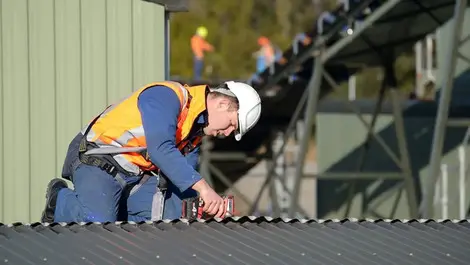
Poor ladder use causes most falls at height in New Zealand workplaces, with many incidents occurring below three metres and injuries often severe.
A blood-based test could let Australians with asbestos exposure be diagnosed earlier, as malignant pleural mesothelioma cases keep rising.
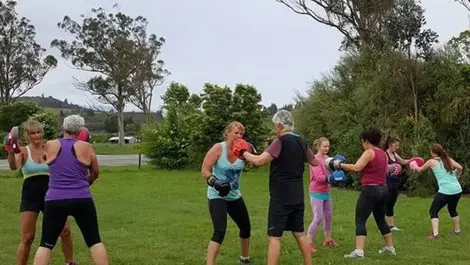
Personalised workouts are in demand as agritech and long hours leave farmers needing support to stay fit, healthy and injury-free.
A builder was left unable to work for a year after a 300 kg bundle of weatherboards fell from height in a timber yard.
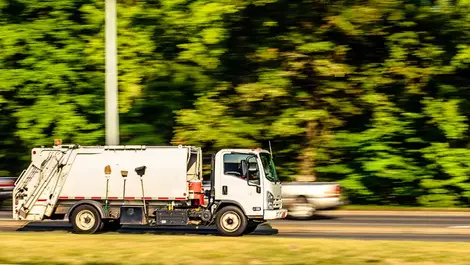
Auckland Council, Veolia and Dobbe have been fined after poor communication over truck maintenance led to the death of 19-year-old Jane Devonshire.