Building managers could act sooner on dust, soot and smoke as Honeywell’s new sensor flags harmful fine particles in real time.
Apps could help curb rising stroke rates by nudging younger adults to tackle diabetes, obesity and other modifiable risks.
Workplace stress is costing employers productivity and retention, as firms widen wellness programmes beyond exercise to mind, emotions and values.
Better risk tools and a more mature culture could help firms spot warning signs earlier and avoid costly disasters before they strike.
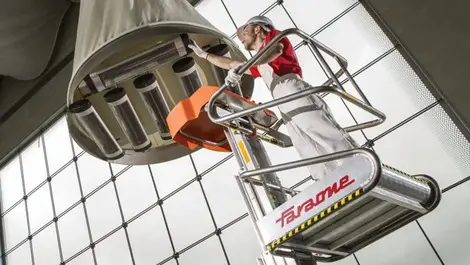
Falls and productivity losses could ease as United Forklift and Access Solutions introduces a lighter ladder alternative for crowded worksites.
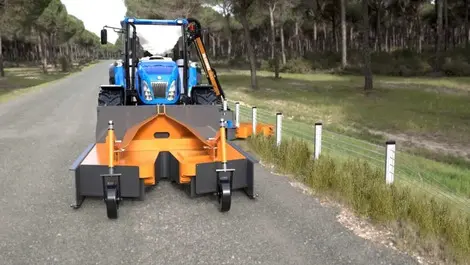
Road crews could trim roadside vegetation faster and with fewer traffic delays as the tractor-mounted system cuts around posts in seconds.
WorkSafe’s case against MSD is a warning to public-facing employers to review protections after Ashburton exposed deadly gaps in staff safety.
Palmerston North's Awatapu College pioneers interactive programme to teach students about healthy relationships and consent.
Fatigue can slow reactions, cloud judgement and raise incident risk, especially on long shifts, night work and safety-critical tasks.
Businesses will face simpler hazardous substances rules as New Zealand shifts workplace controls to WorkSafe under health and safety reform.
Auckland’s water supply project went 14 months without a recordable incident, after safety measures were adopted across the wider industry.
The new water-based coating reduces stripping and deep scrubbing, cutting chemical exposure while helping floors stay safer and harder-wearing.
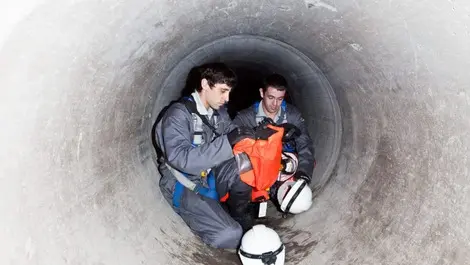
Accident prevention in tanks, silos and manholes could improve as researchers offer a five-step tool to assess confined-space risks.
A new guide aims to help doctors and nurses share a common language as disasters push health systems to respond and recover faster.
Dairy farms are missing safety lessons because staff underreport incidents, fear blame and fail to follow up on fixes, researchers found.
New Zealand employers face higher safety and compliance risks as a new app lets lone workers summon help without extra hardware.
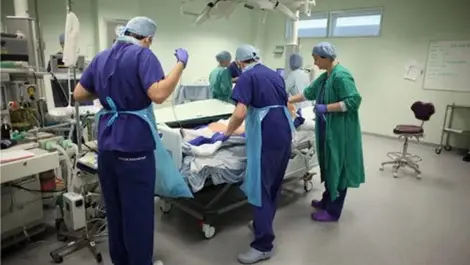
Hospitals could cut costs and avoid cylinder deliveries as on-site PSA units supply constant 95 per cent pure oxygen at the bedside.
Back injuries during lambing have been cut for a Nelson farmer after a second-hand wheelchair lift let him move ewes without strain.
Only eight of 20 district health boards can guarantee round-the-clock sign language access, leaving deaf patients exposed in emergencies.
The award boost highlights fresh urgency over pedestrian safety at level crossings as rail incidents rise nationwide.