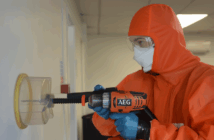
A WorkSafe review across the nation’s sheep, beef and dairy farms reveals a significant shortfall in hazardous substance management. The assessments were designed to understand what’s happening on farms and how agri-chemicals are managed, says project lead, Carl Baker. Keeping accurate records of hazardous substances on farms can help prevent serious and long-term harm.

We went in to have honest conversations with farmers, Baker says. “Hazardous substances emerged as the highest-risk area, with 39 percent of assessments requiring improvement.
“The response from the sector has been overwhelmingly positive,” he says.
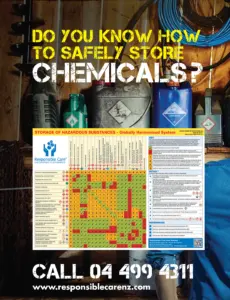
Of the improvement notices issued, 94 percent related to non-compliant, safety-data sheets or missing chemical inventories — a relatively straightforward fix with significant safety benefits.
Fortunately, industry also can help. For example, the national chemical industry association, Responsible Care New Zealand, can review and update non-compliant data sheets and provide user friendly compliance tools, enabling safe storage and handling of hazardous substances and dangerous goods.
“We know farmers take the safety of everyone on their properties seriously. We’re here to support that,” says Baker. WorkSafe, in conjunction with the agri-chemical sector are working toward the same goal.
Eighty-one percent of the 650 businesses assessed had fewer than five employees, a reminder that even operations without the necessary chemical workplace expertise carry real risk. Ultimately, safely managing chemical inventory is a major contribution to safeguarding workers and visitors and our vulnerable environment.
Baker says many of the improvements identified are straightforward and low-cost. “Safety data sheets and inventories are vital. They tell you how to manage chemicals and help emergency services respond. Without them, we don’t know the risks.”
Other farm areas surveyed
Machinery and vehicle safety also featured in the report. Inadequate guarding on power take-off (PTO) shafts was a common machinery issue — 16 percent of assessments required improvement, rising to 25 percent in the South Island.
Farm vehicles, tractors, side-by-sides and quad bikes also stood out with 14 percent of assessments requiring improvement.
“Keeping vehicles serviced, regularly checking brakes and tyres, ensuring workers wear seatbelts and helmets, and making sure PTOs are properly guarded are relatively simple measures. But they can save lives,” says Baker.