Social Engineering stories
Organisations have only days to patch gaps as AI-driven attackers automate the same old weaknesses, Five Eyes warned.
Attackers are increasingly using genuine Microsoft pages and browser tricks to steal session tokens, passwords and spread malware, Barracuda says.
Criminals are using AI to scale phishing and hunt flaws faster, forcing firms to harden defences as alert volumes and risks rise.
Winter brings a sharp rise in crypto, impostor and tech support fraud, with older Kiwis and travellers among the main targets.
More than 5 million connection attempts from 985 organisations show scam traffic is increasingly reaching workplaces via social apps and personal devices.
Cisco and OpenAI say AI agents are reshaping cyber defence by helping organisations detect, fix and respond to security threats more quickly.
Fans heading to the 2026 FIFA World Cup face ticket, WiFi and booking fraud as criminals target every stage of the trip.
Half of organisations in Australia and New Zealand say AI use is ungoverned, heightening fears of deepfake scams and prompt-injection attacks.
Employers seeking analysts who can handle AI-driven threats and SOC duties will see CompTIA's revised CySA+ exam add practical scenario-based testing.
Existing phishing and fraud tactics are becoming faster, cheaper and harder to detect, raising the risk for large organisations, ReliaQuest said.
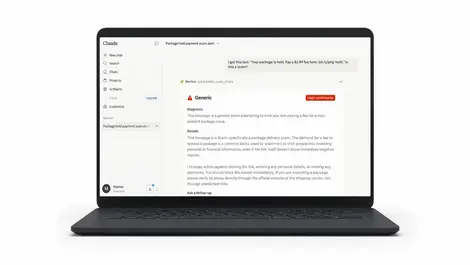
Scam checks are now available to Claude users across all tiers, as Norton embeds its Genie tool to flag suspicious messages and links.
Most customers still face avoidable phishing risk, as 59% of Australian banks lack the strict DMARC setting that blocks spoofed emails.
More than half of Singapore respondents lacked full visibility of employee AI use, heightening fears over shadow tools, data leaks and breaches.
Human error and ungoverned AI are heightening cyber risk in Singapore, where most workers say deepfakes are hard to spot and scams could succeed.
Fraudsters are exploiting tax season by stealing credentials and filing bogus returns, putting Australian refunds and ATO accounts at risk.
Older Americans face sharper phone-fraud risks as AI voice cloning and caller ID spoofing make scams harder to spot.
Scams that trick people into authorising payments drove UK fraud losses to GBP £1.28 billion last year, FICO said.
With phishing and stolen credentials driving most breaches, organisations are being urged to replace passwords with passkeys for safer logins.
Nearly six in ten Londoners have seen more scam attempts in the past year, with social media fraud and AI-made ruses fuelling concern.
Tech and software groups are most at risk as breaches, supplier access and stale credentials let attackers reach source code and customer data.