Risk assessment stories
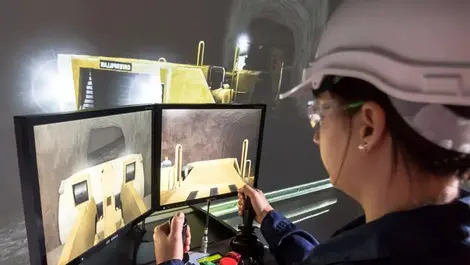
WorkSafe has warned that faulty or misconfigured remotes can send mobile plant moving unexpectedly, risking serious injuries at mines and quarries.
Workplace lacerations remain common, but training on the right tools, PPE and hazard awareness can sharply reduce the risk.
Worker resistance can be overcome by explaining how thorough checklists prevent missed details that could otherwise trigger costly accidents.
Residents near contaminated defence bases say barriers to free PFAS blood tests are leaving them in the dark about exposure risk.
Training failures left a supervisor with severe burns and a skin graft after molten zinc splashed over his safety boot in a chain-jam incident.
A worker’s hand injuries have prompted safety changes, after WorkSafe accepted a ninth enforceable undertaking in lieu of prosecution.
A Whangarei engineering firm has been fined after a worker suffered severe burns when a jammed galvanising machine failed above molten zinc.
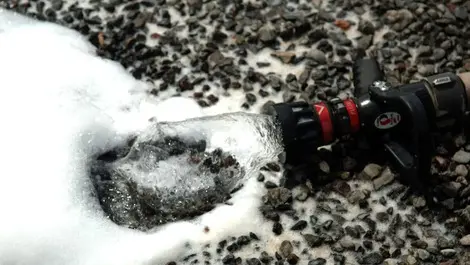
Airports may still hold banned foam stocks as New Zealand probes PFOS and PFOA contamination, raising health and environmental fears.
Even low blood lead levels may drive a third of premature cardiovascular deaths in the US, a new study suggests.
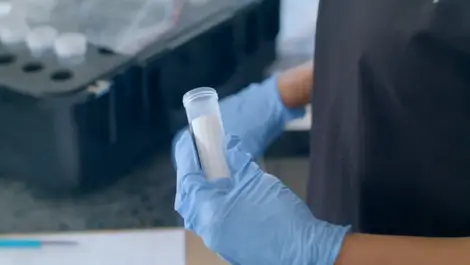
Property owners are set to get greater assurance after a Hawke’s Bay firm became New Zealand’s first accredited methamphetamine testing provider.
A worker was left with severe arm injuries after an unsafe tortilla oven lacked guarding, training and an emergency plan, WorkSafe found.
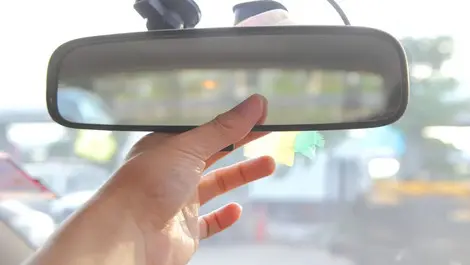
Fleet managers are being urged to tackle poor driver vision, as Brake says untested eyesight raises collision risk for at-work drivers.
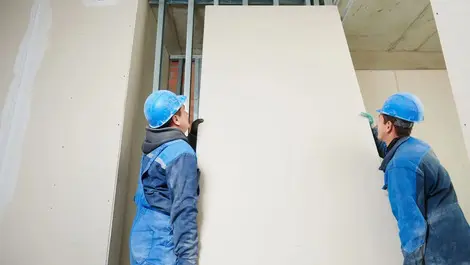
Workers face greater risk when serious injuries are under-reported, after a depot was fined for failing to notify and minimise a plasterboard accident.
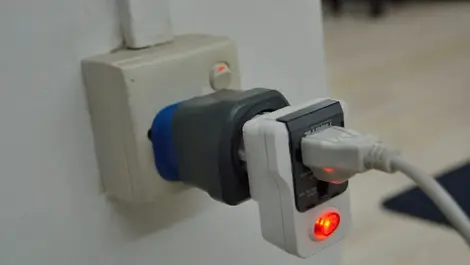
Workplace electrocutions remain a daily risk, with faulty gear, poor training and unsafe cables driving fatal shocks and fires.
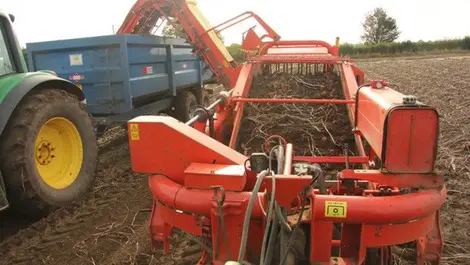
A fatal potato harvester crush has prompted fresh warnings after a court ordered Easton Agriculture to pay compensation to the worker's family.
The report warns that just 27% of firms assess health risks in high-risk regions, leaving mobile employees exposed to avoidable threats.
Hot weather is heightening the risk of skin cancer and other illness for outdoor staff unless employers manage sun exposure properly.
Fatigue can raise the risk of workplace incidents, leaving businesses and workers responsible for spotting tiredness before it affects safety.
Choosing the wrong knife can raise cut risks, so workplaces should weigh the task, material, frequency and safety level before buying.
A Rangiora Carpets worker suffered significant injuries after a 2.5-metre fall, prompting a warning to assess rarely used storage areas.