Personal Protective Equipment (PPE) stories
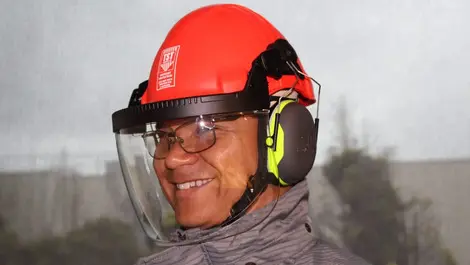
Professional pressure cleaners can now protect themselves from head to toe, as Aussie Pumps adds helmet-and-visor gear tested to 2000 bar.
Training failures left a supervisor with severe burns and a skin graft after molten zinc splashed over his safety boot in a chain-jam incident.
A Whangarei engineering firm has been fined after a worker suffered severe burns when a jammed galvanising machine failed above molten zinc.
WorkSafe says its push on critical risks, leadership and worker engagement is helping New Zealand edge towards a 25% injury cut by 2020.
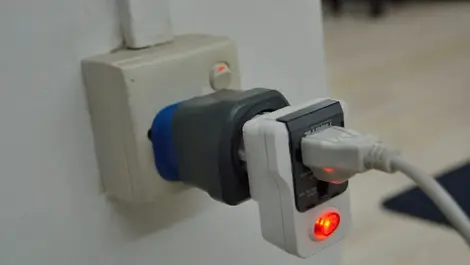
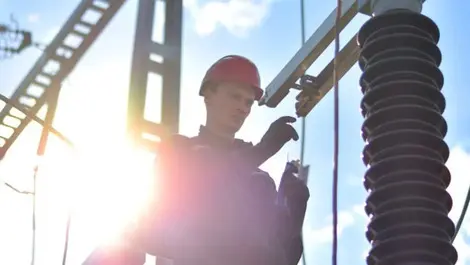
Workplace electrocutions remain a daily risk, with faulty gear, poor training and unsafe cables driving fatal shocks and fires.
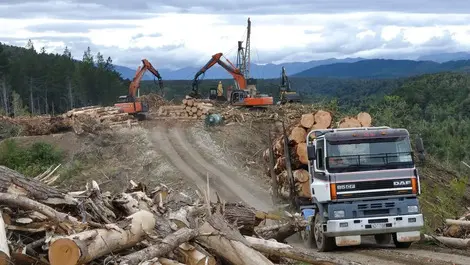
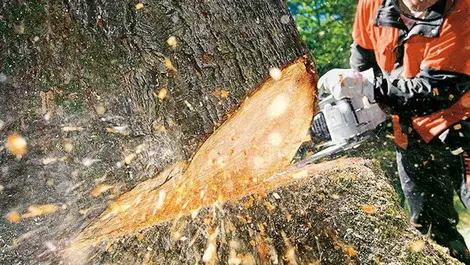
A woman was badly injured and Stumpmaster has been fined after ignoring barriers that could have kept the public clear of a tree-felling site.
Hot weather is heightening the risk of skin cancer and other illness for outdoor staff unless employers manage sun exposure properly.
Choosing the wrong knife can raise cut risks, so workplaces should weigh the task, material, frequency and safety level before buying.
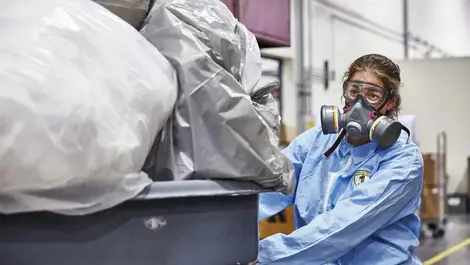
Workers are more likely to keep respiratory protection on all day as the AVIVA half-mask aims to improve comfort, fit and speech.
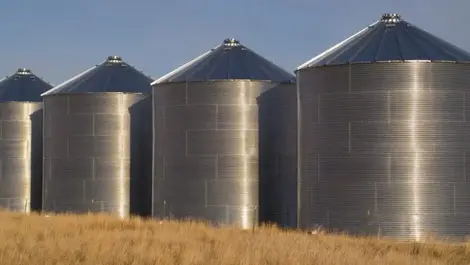
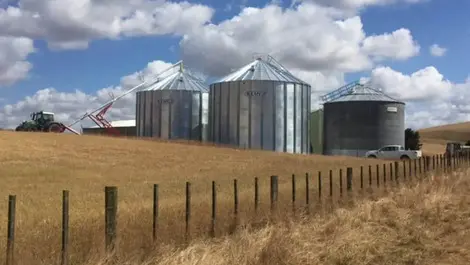
A WorkSafe alert warns that workers can suffocate within minutes unless silos are locked out and confined-space controls are in place.
Nearly 1,000 workers in Manukau precast concrete plants now have better protection from airborne hazards after a WorkSafe New Zealand drive uncovered gaps.
Safer practices and a health and safety app have cut hazards on Stuart Taylor’s Rangitikei dairy farm, where unsafe work now stops.
Occupational safety teams can now check three field types with one pocket-sized device, cutting the kit needed for EMF inspections.
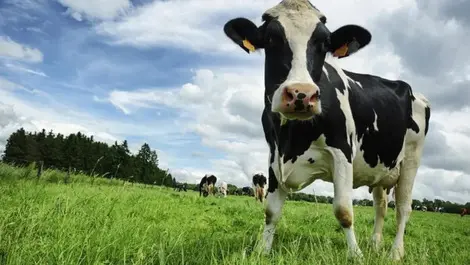
Farmers face higher injury and illness risks during calving unless teams plan ahead for fatigue, hygiene and safe cattle handling.
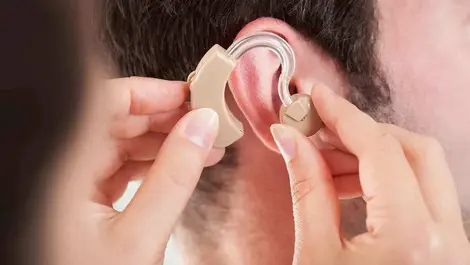
Age-related listening problems may stem from a shift in the brain’s ability to boost speech cues and suppress background rhythm.
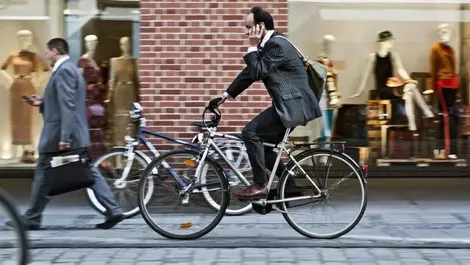
Employers are being urged to tighten cycle safety after a new Brake guide warns of risks to staff and fleets.
Risk assessments and worker engagement have helped the Westport family farm cut hazards, after a contractor was injured there.
Better manager-worker conversations can lift productivity, cut absenteeism and reduce stress in construction sites, research cited by a mental health speaker says.
The incident left one electrician engulfed and 14 rescuers exposed, prompting fines after WorkSafe said planning failures put lives at risk.
The accord aims to give subcontractors clearer, more consistent safety requirements across major sites and help reduce injuries nationwide.