New Zealand Government stories
Thousands of New Zealand employers and workers can now apply for wage, leave and tax relief after the government unveiled a NZD $12.1 billion package.
Billions in COVID-19 spending could be used to unlock projects, create jobs and speed New Zealand’s economic recovery, Infrastructure NZ says.
Auckland's housing crisis could deepen if the Drury project fails to deliver affordable homes despite NZD $2.4 billion in transport spending.
Businesses facing coronavirus disruption can now find daily-updated government guidance on tax, travel, staffing and workplace safety.
Government advice on emerging technologies is set to speed up decisions on digital identity, AI and other services for Kiwis.
Demand for affordable Auckland townhouses is squeezing supply, as first-home buyers snap up projects off the plans before building begins.
Access to global markets should widen for small Kiwi firms as the new digital economy pact is expected to lift trade and growth.
The passenger route is a world's first and will commence after Cora's certification by the New Zealand Civil Aviation Authority.
Freight in Northland will move by rail for the first time, after a NZD $109.7 million boost to reopen lines and build a terminal.
Rising visitor numbers are putting New Zealand’s lakes, tracks and towns under strain, with a watchdog warning current policy will not curb damage.
WorkSafe New Zealand will be led by Phil Parkes, with the appointment set to ensure continuity after Nicole Rosie’s move to the NZ Transport Agency.
Contractors still need project-by-project details, with major transport work due to wind down within 18 months and risking industry capacity gaps.
Civil contractors say the Government must back already designed transport works quickly to protect jobs as big projects finish.
Sixty-one terraced homes in Manukau will be priced from GBP £289,000, as the project packages whiteware, landscaping and parking.
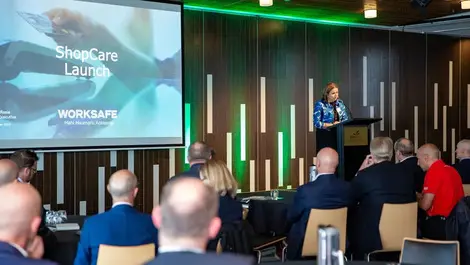
A three-year industry-backed push aims to cut serious injuries and deaths in New Zealand retail and supply chains through common safety standards.
Poor housing could be costing New Zealand health services almost USD $8 million a year, with under-twos especially at risk.
New procurement rules could ease contract risk and cut legal costs, if agencies shift from lowest price to outcome-led construction deals.
Mobile Mentor has earned a vital TaaS mobile security certification from the New Zealand Government, fortifying the security of government devices and data.
The government has announced plans to auction short-term rights to the 3.5GHz 5G spectrum from mid-2020 to October 2022, fostering innovation and competition.
The NZ IoT Alliance chair says that as cities grow up and out, it's time to invest in smart city tech to keep them functioning.