Natural Disasters stories
Many buyers are overlooking flood and other hazard risks, leaving some homeowners exposed to higher premiums or uninsurable properties.
Funding gaps leave Kaikōura's flood recovery reliant on regional rates, after the council's bid for Government help was knocked back.
Broadcast still reaches most New Zealanders daily, even as streaming grows, with free access and emergency resilience keeping it relevant.
Cashflow strain may force a redesign of Westport's flood defences, with the council warning it could struggle to fund the scheme.
Local leaders warn the date mix-up could leave councils short of their top officials during a nationwide tsunami drill in October.
Heavy use in disaster relief and military missions has made New Zealand's NH90 fleet the first in the world to log 3,000 hours in service.
South Island warmth and a June heat spike drove New Zealand's winter to 9.7C, with 27 places logging record seasonal temperatures.
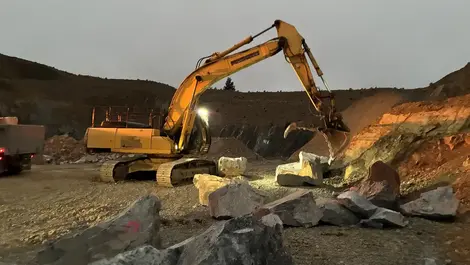
Restoring full access to the Mount Maunganui base could require up to GBP £38 million in slope works, a risk assessment says.
Climate risks are already costing New Zealand billions a year as the government faces renewed criticism for its patchy adaptation plan.
Funding for sports facilities and community grants could be cut as Marlborough council tries to stay within a 4% rates cap.
Community reports from Golden Bay suggest backup towers alone may not guarantee reliable 111 access when a fibre route fails.
Flooding and higher borrowing costs are sharpening scrutiny of how the IMF and World Bank will back vulnerable economies through debt and climate shocks.
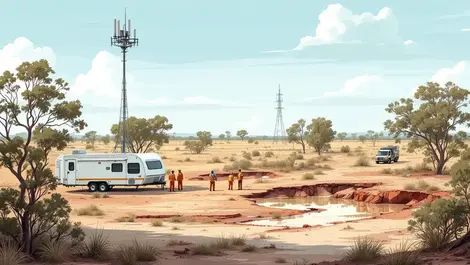
Australian resellers gain access to deployable communications gear for remote and disrupted sites as Wavelink broadens its critical infrastructure offering.
APAC partners can now keep backup data in Australia, easing sovereignty concerns and cutting recovery delays for regulated customers.
The free site helped commuters check flooded routes during Bangkok's disaster zone conditions, logging more than 13,000 uses in its first day.
More than one in five Australians face significant vulnerability, with the new index tying the biggest risks to weak savings, insurance and superannuation.
Rising rain-driven landslide risks are leaving road users exposed as inspectors miss unstable slopes hidden from view, a consultant warns.
Nearmap's archive now helps insurers, planners and scientists assess property risk and environmental change across Australia.
Public safety and emergency teams could get longer overwatch and delivery missions as gas-powered drones stay airborne for more than 150 minutes.
Evacuees in British Columbia will get data top-ups and bill credits as TELUS puts GBP £1.1 million into wildfire relief and network support.