Melanoma stories
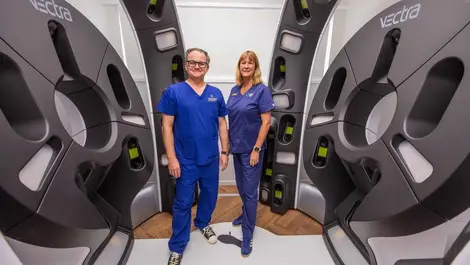
Auckland clinic unveils Skinscape 360, a 3D whole-body melanoma scanner using 92 cameras to speed early skin cancer detection in New Zealand.
Summer work in New Zealand brings greater risks of sunburn, dehydration and heatstroke, with long hours also fuelling fatigue.
Nearly 550 farmers were injured and three died on farms last summer, with vehicles and sun exposure among the biggest dangers.
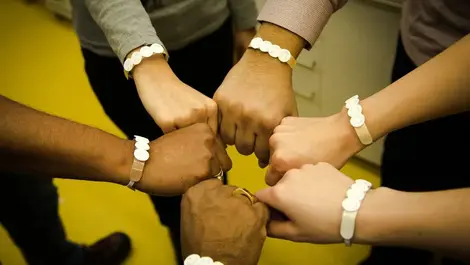
New colour-changing stickers could help people gauge safe sun exposure more precisely, cutting the risk of vitamin D deficiency and skin damage.
Consumer NZ says mandatory sunscreen standards and a sunbed ban are needed after a study confirmed New Zealand leads the world in skin cancer.
Hot weather is heightening the risk of skin cancer and other illness for outdoor staff unless employers manage sun exposure properly.
New genetic findings suggest rarer melanomas on the hands, feet and internal surfaces are driven by causes other than UV exposure.
New Zealand has the highest incidence rate of melanoma in the world, it's time to learn about the options you have to keep you and your families safe.
Melanoma is one of New Zealand's biggest killers, and heading into the summer season mole checks are more important than ever.
Kiwi innovation fights skin cancer with a cutting-edge camera, revolutionising early detection and saving lives.
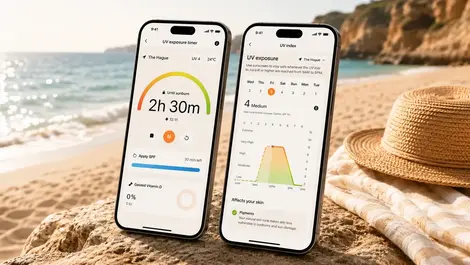
Users will now be able to track moles, UV exposure and skin changes over time as the app shifts towards preventive care and referrals.
Australia's DermR Health pioneers a needle-free skin cancer test, driven by purpose and bootstrapped funding, defying medtech's investor-driven challenges.
Toronto AI firm Skinopathy launches GetSkinHelp app, enabling Canadians to screen for skin cancer from home and access timely medical care.
Melanoma Institute Australia signs five-year deal with RingCentral to deploy RingEX UCaaS platform across 12 clinics, enhancing communication and patient care.