Health and Safety at Work Act (HSWA) stories
A worker was left with severe arm injuries after an unsafe tortilla oven lacked guarding, training and an emergency plan, WorkSafe found.
Courts are still split on how far tougher health and safety penalties should go, leaving businesses uncertain over likely fines and undertakings.
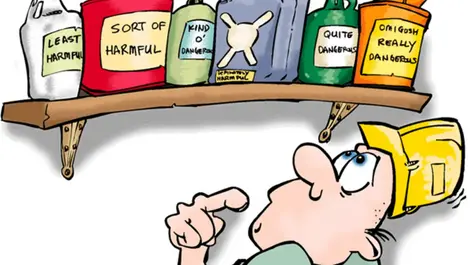
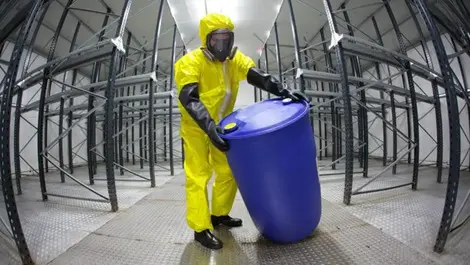
Small and medium-sized firms face tougher chemical compliance demands as revised rules leave many still seeking practical guidance.
WorkSafe says inadequate guarding still exposes workers to life-changing injuries, after two Southland firms were fined for amputations.
WorkSafe says its push on critical risks, leadership and worker engagement is helping New Zealand edge towards a 25% injury cut by 2020.
Workers face greater risk when serious injuries are under-reported, after a depot was fined for failing to notify and minimise a plasterboard accident.
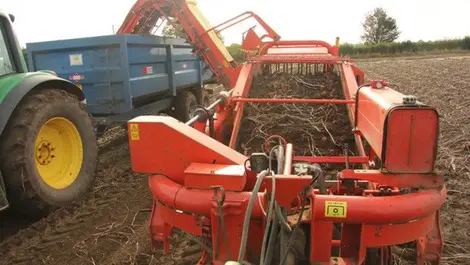
A fatal potato harvester crush has prompted fresh warnings after a court ordered Easton Agriculture to pay compensation to the worker's family.
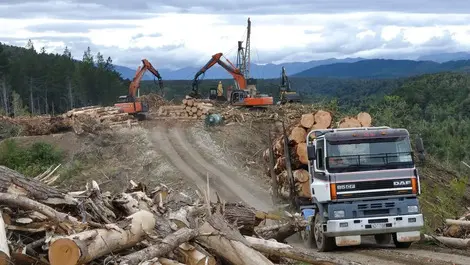
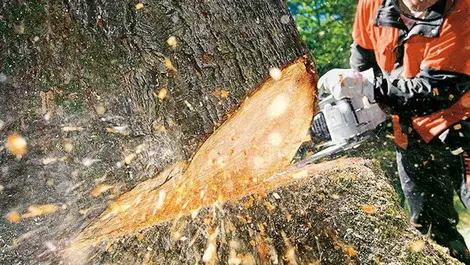
A woman was badly injured and Stumpmaster has been fined after ignoring barriers that could have kept the public clear of a tree-felling site.
A Rangiora Carpets worker suffered significant injuries after a 2.5-metre fall, prompting a warning to assess rarely used storage areas.
Small Kiwi businesses can now spot workplace hazards in bakeries and collision repair workshops more easily through WorkSafe’s tool.
Businesses ignoring known hazards face tougher penalties after WorkSafe New Zealand said identifying risks is not enough to keep workers safe.
Workplace safety rules for toxic chemicals will shift to WorkSafe in December, giving importers and manufacturers time to comply.
Absenteeism is costing New Zealand employers GBP £650 million a year, with sick days rising as businesses get bigger.
A flexible, mobile-friendly system is helping Greater Wellington Regional Council improve incident reporting across offices, parks, boats and remote work sites.
Remote workers’ homes can count as workplaces, leaving employers on the hook for safety checks, policies and incident response.
Many firms still face health and safety blind spots, with the new audit rating contractors and workplaces before fines or jail become a risk.
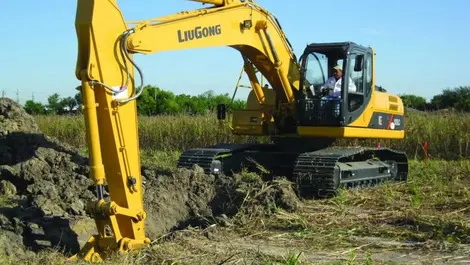
A drainage contractor was fined NZD $48,875 after poor hazard planning left a worker run over by an excavator and badly injured.
Left untreated, repetitive workplace tasks can trigger debilitating hand pain and tingling, forcing businesses to act on a serious health risk.
Real-time reporting is replacing paperwork on construction sites, giving managers a clearer view of hazards and boosting worker awareness.
Farmers hosting duck shooting or other events face duties to manage hazards for visitors under the Health and Safety at Work Act 2015.