Hazardous materials & substances stories
Importers and manufacturers face four years to relabel chemicals as New Zealand shifts hazardous substances rules to the UN-backed GHS.
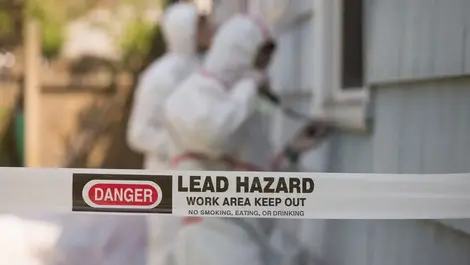
WorkSafe said workers were exposed to dangerous fibres after friable asbestos was stripped from a Queenstown property without a licence or safety plan.
A communication failure left scaffold workers exposed to caustic soda vapour, causing chemical burns and triggering more than GBP £300,000 in fines.
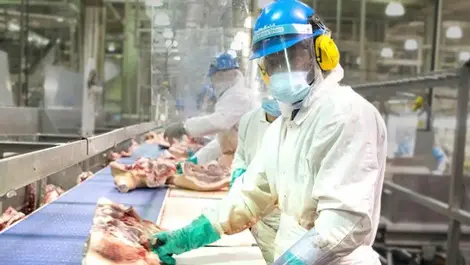
WorkSafe says the penalty follows a preventable eye injury that left a worker needing emergency cardiac surgery after animal-borne infection.
Asbestos risks were ignored during demolition, leaving workers and the public exposed and prompting a NZD $108,000 court penalty.
Employers in Australia and New Zealand are being urged to tighten protections, after studies linked welding fume to a 43% higher lung cancer risk.
Neighbours were endangered and a wheelchair user trapped when a demolition error caused a gas leak and asbestos exposure risks.
Nearly 80,000 workers die each year in the EU from carcinogen exposure, much of it preventable with better controls and training.
Construction workers face a hidden lung-disease threat as poor dust controls and weak monitoring leave many exposed to silica and wood dust.
Six workers were put at risk after 140 litres of LPG escaped at a Taranaki gas station, prompting fines for three firms.
Poor ventilation and missing protective gear left workers exposed to solvent vapours that can cause unconsciousness and death in minutes.
Higher odds of coronary heart disease and atrial fibrillation were found among Hispanic/Latino workers exposed to metals or pesticides at work.
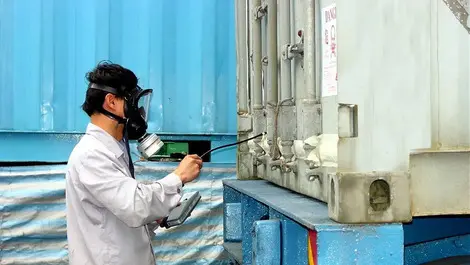
Ports are missing basic checks and labels, leaving workers exposed to toxic fumigants inside freight containers, EU-OSHA warns.
WorkSafe says poor asbestos controls can expose neighbours and visitors, after a New Plymouth remover was fined GBP £35,000 for unsafe work.
Businesses handling asbestos now face stricter duties, with management plans, training and independent air checks compulsory under new rules.
Even low blood lead levels may drive a third of premature cardiovascular deaths in the US, a new study suggests.
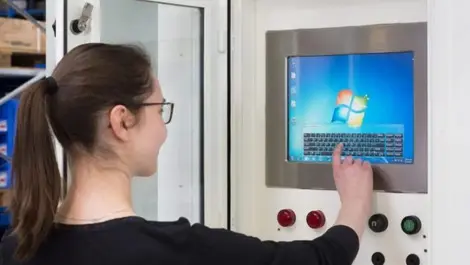
Harsh-environment enclosures could last longer, with the GRP frame resisting corrosion and cutting condensation around critical kit.
Councils and businesses are widening smoke-free zones across New Zealand, as researchers say current laws are lagging behind overseas standards.
Nearly 1,000 workers in Manukau precast concrete plants now have better protection from airborne hazards after a WorkSafe New Zealand drive uncovered gaps.
Occupational safety teams can now check three field types with one pocket-sized device, cutting the kit needed for EMF inspections.