Ergonomics stories
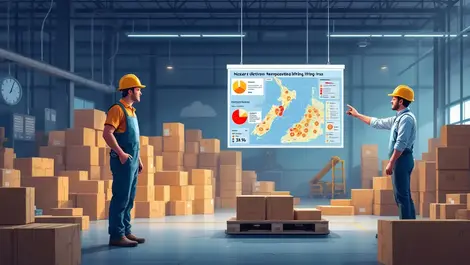
Wearable safety tools can expose upstream hazards that injury data miss, helping firms tackle musculoskeletal injuries before they spread.
Poor workplace design and repetitive tasks can trigger aches, injuries and chronic pain, with risk rising as more factors combine.
With injuries and labour shortages biting, wearable robotics are being trialled to cut strain, lift productivity and keep workers on the job.
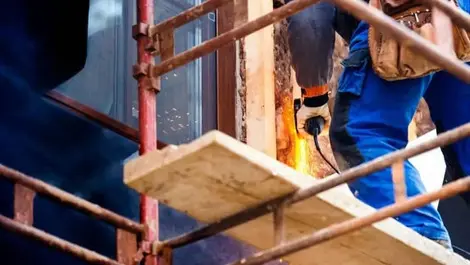
Worksites remain vulnerable to falls, electrocution and fire, with the risk of serious injury or death still high without strict controls.
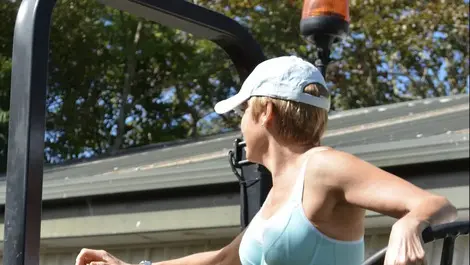
Rising numbers of women in trades are driving demand for bras that support all-day physical work without the discomfort of sports bras.
Better training, clearer signage and prompt reporting can help industrial employers cut accidents before they injure workers or halt production.
Remote employees are at greater risk of burnout and isolation, making regular breaks and clear boundaries vital for well-being.
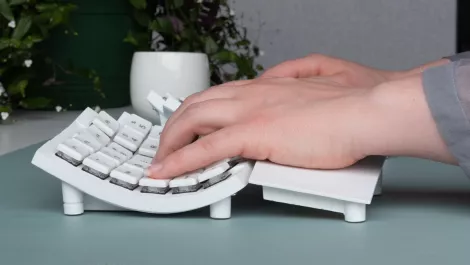
Wellington-based MoErgos has achieved its Kickstarter funding goal for the Glove80 wireless keyboard in just 28 hours.
Workers using vibrating tools could suffer permanent nerve and joint damage if employers fail to control exposure early enough.
More than one million US hand injuries a year are driving calls for better training, cut-resistant gloves and safer tools.
Workplace injuries can be reduced with routine checks, training and housekeeping, helping employers protect staff and avoid costly downtime.
Proper training and blade choice can cut workplace injuries, while the wrong knife risks fatigue, recalls and operator mishaps.
Hand injuries make up more than a fifth of workplace cases, with construction and maintenance staff facing the greatest risk of amputation.
Wider use of connected safety gear depends on manufacturers, purchasers and workers keeping pace with fast-changing technology and clear instructions.
Working from home can trigger fresh obligations on contracts, safety, privacy and security, with employers footing extra costs.
Missing colleagues and blurred boundaries can leave home workers strained unless managers set clear routines and realistic workloads.
Workers staying home face burnout, isolation and tech glitches unless they set boundaries, plan backups and keep in touch.
New Zealand will be represented in Schneider Electric's Adelaide design lab after award-winning industrial designer Carmen He joined the Pacific team.
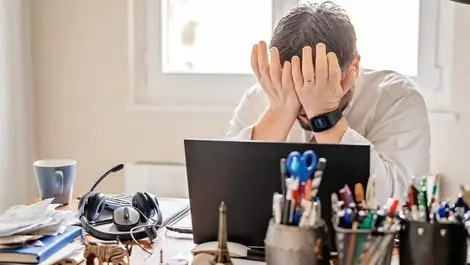
Chronic pressure at the office can harm health and performance, but simple changes in routine may help workers cope more easily.
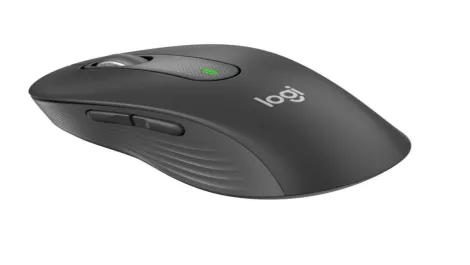
Logitech has announced the Logitech Signature M650 Mouse and the Signature M650 for Business Wireless Mouse, both with new ergonomic features and capabilities.