Emergency services stories
Emergency dispatchers across New Zealand now have a common console platform as the final stage of the public safety radio rollout nears completion.
A new report says many farmers now struggle to reach 111 after 3G was switched off, intensifying risks on remote properties.
Residents and emergency crews stand to benefit as Waipā District Council moves to lower 12 speed bumps in Cambridge and Kihikihi for $310,000.
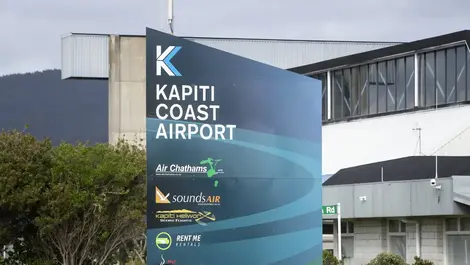
A potential sale has raised hopes and fears over whether the Paraparaumu runway will stay open for scheduled flights and emergency landings.
Emergency crews are already using the new system, which replaces ageing platforms and will be rolled out to more agencies next year.
Animals, homes and emergency crews could be spared disruption if New Zealand First wins support for its proposed fireworks ban.
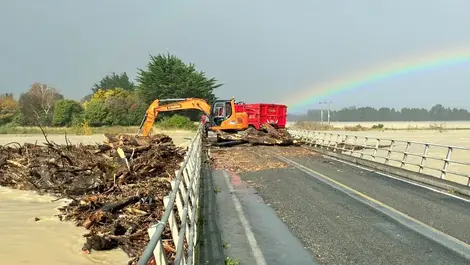
Drivers to Martinborough face two days of delays this week as flood debris is cleared from the only direct road link into town.
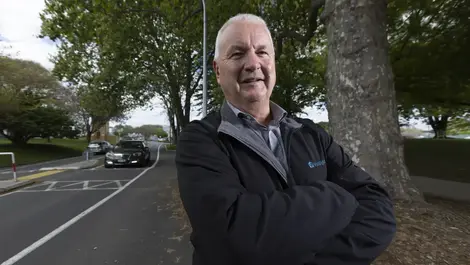
Night-time vehicle access to Titirangi Maunga will end in early 2027, after residents backed gates to curb dumping and vandalism.
Concerns over safety and dune damage could see full vehicle bans at Waimārama Beach, with permits reserved for ATVs and exempt users.
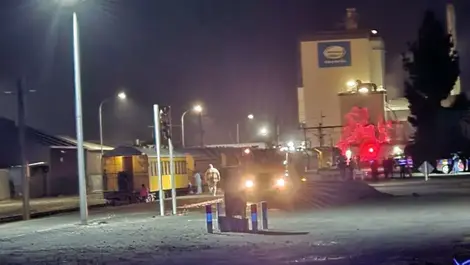
Passengers were left traumatised after a person died at Te Awamutu station on Sunday evening, prompting a police investigation.
The project is part of a NZD $1.7 billion overhaul that will let emergency services in New Zealand share radio technology and coordinate faster.
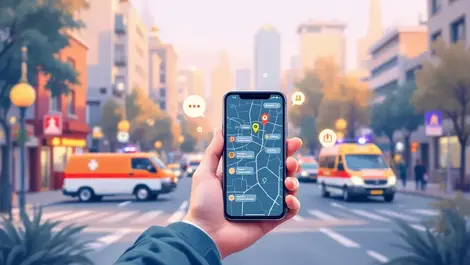
Travellers can now get local guidance, community chat and four daily safety updates in one app, though it is no substitute for official sources.
Technicians are losing up to two hours a day to admin, squeezing capacity and worsening delays as labour shortages bite across essential industries.
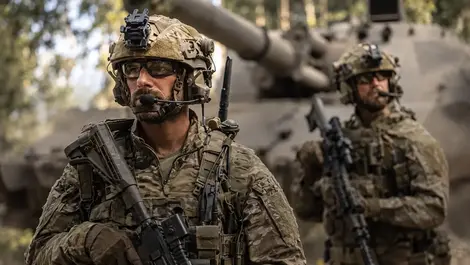
The deal gives defence and public safety agencies in Australia and New Zealand local technical, servicing and warranty support for INVISIO systems.
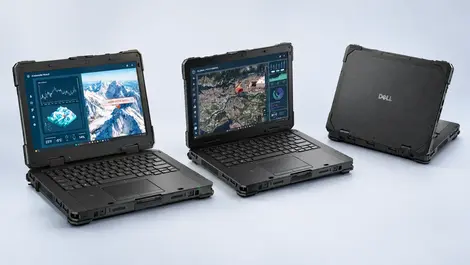
The new models aim to give utilities, emergency crews and factory teams tougher, better-connected kit for work away from the office.
Telecoms leaders will assess how AI and satellite links could shape future coverage, regulation and public safety as Australia edges towards 6G.
The new guidance urges road agencies to plan for knock-on disruption to freight, public transport and emergency access when flooding hits.
The portal now supplies police with most public crime intelligence, as 84% of Tasmania tips arrived online in 2025 and 24% included images or video.
The free site helped commuters check flooded routes during Bangkok's disaster zone conditions, logging more than 13,000 uses in its first day.
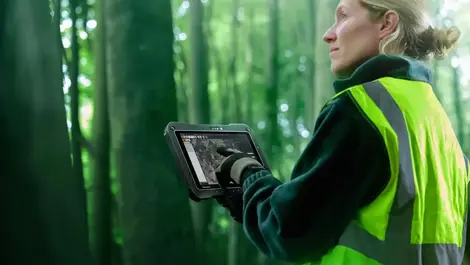
Field crews can work longer between charges as the new model adds hot-swappable batteries, 5G and local AI processing for remote sites.