Climate resilience stories
Without more public transport and safer active travel, higher fuel prices risk pricing more Kiwis out of everyday trips.
New Zealand’s project list is poised to outpace Australia’s on a per capita basis, but delays could push capital and labour offshore.
A longer-term plan could unlock up to NZD $4.7 billion a year in extra infrastructure spending as certainty replaces costly policy swings.
A $24.8 billion roads and public transport plan could give builders more certainty and lift jobs, commerce and regional growth.
New Zealand’s infrastructure sector is urging the incoming Government to speed up investment, reform planning and tap private capital.
Infrastructure groups warn uncertainty is deterring investment, slowing digital upgrades and leaving New Zealand exposed to worsening climate shocks.
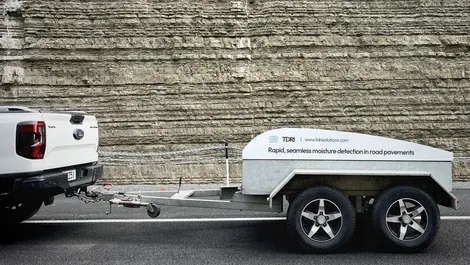
A new moisture-sensing tool could cut road deterioration by 2.5 times, helping asset managers avoid costly reactive repairs across networks.
A proposed USD $35-45 billion crossing is being criticised for entrenching car dependency while risking the loss of promised light rail.
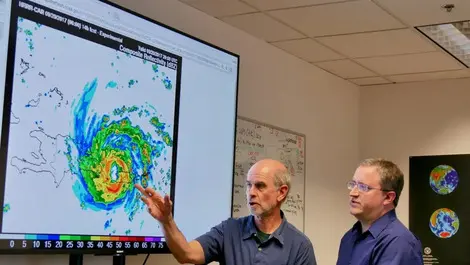
Additional funding will boost flood forecasting and climate adaptation work after recent cyclones exposed gaps in New Zealand's resilience.
Finalists from more than 50 entries will vie for the Toki Paraihe, with 32 projects shortlisted across six categories.
In civil construction, the concept hinges on system boundaries, with finite resources, waste and carbon shaping whether projects can endure.
With the election looming, contractors warn promises will mean little unless parties fund a clear pipeline of infrastructure work.
Civil contractors warn the next emissions plan could slow vital infrastructure delivery unless it backs proven low-carbon options and recycling.
Auckland Council says it was blindsided as Kāinga Ora weighs taking over planning for suburbs on the light rail corridor, overriding local plans.
Most of the Government’s 331 infrastructure actions are already underway, prompting calls for funded projects rather than more plans.
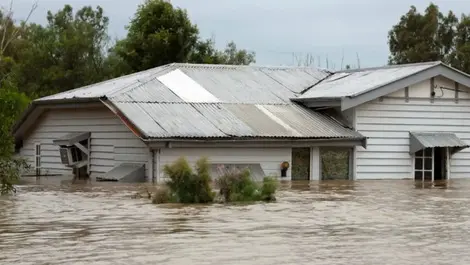
Ratepayers and taxpayers will help fund buyouts and flood defences for homes in areas hit by severe weather after years of underinvestment.
Critics say the spending will still leave New Zealand’s infrastructure deficit and weather damage unaddressed without a clear pipeline of work.
Severe weather, Covid and inflation are worsening New Zealand’s infrastructure, emergency readiness and cost of living, with repairs set to take years.
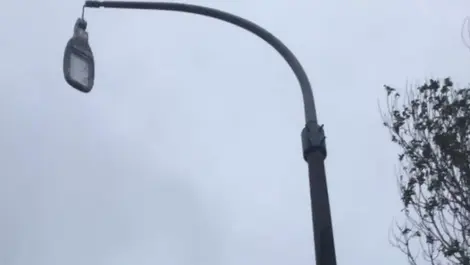
Wellington City Council faces a NZD $6 million repair bill after 17,000 LED streetlights proved unsafe in strong winds.
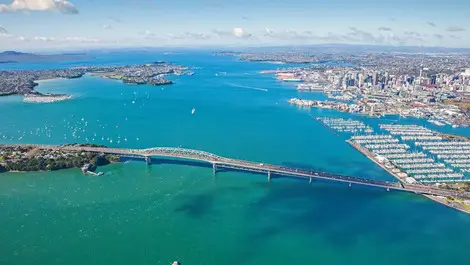
Public consultation on the Waitematā Harbour crossing begins with options costing up to GBP £12.5 billion and facing carbon concerns.