Civil Engineering stories
As Cyclone Gabrielle recovery winds down, local contractors are trimming jobs and councils warn the region's civil work pipeline is shrinking.
Road users and freight operators should benefit from a safer, more reliable link, as the project is now forecast at $275-$325m after savings on tender pricing and design.
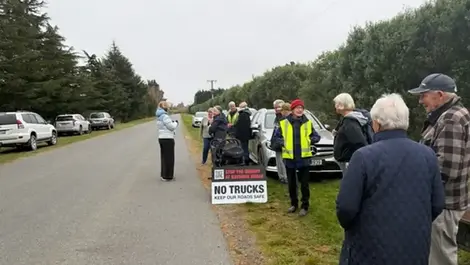
A permanent diversion is being explored after up to 220 trucks a day left Clarkville roads noisy, dusty and damaged.
Road users across Hauraki should expect delays as council funds 68 sites for resealing, drainage renewals and bridge repairs this summer.
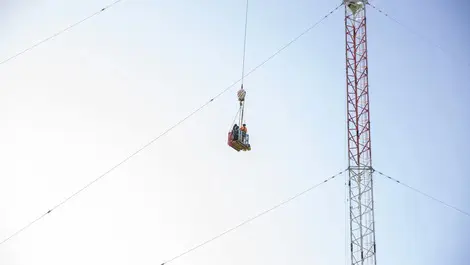
Auckland's emergency AM radio coverage now rests on a single 110-metre mast, after RNZ replaced two ageing Henderson towers without disrupting service.
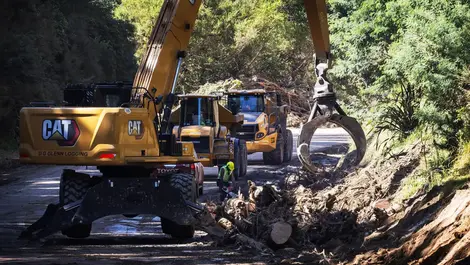
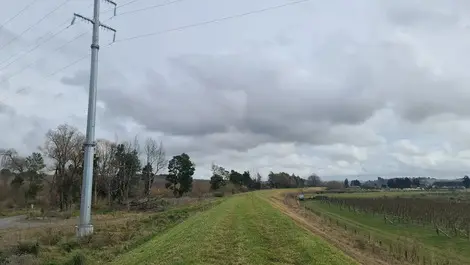
Flood protection for Ōmāhu is being strengthened after Gabrielle exposed gaps in the defences, with work due to finish by Christmas.
Northland residents could see the first open-ocean treated wastewater outfall in over a decade, with final approvals due before year-end.
The deal adds about 100 staff and gives RSK a wider base in New Zealand's water, infrastructure and energy markets.
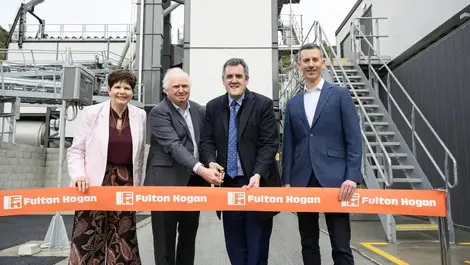
Capacity constraints in Wellington should ease as a 200-tonne-an-hour plant boosts asphalt supply for roads, ports and airports.
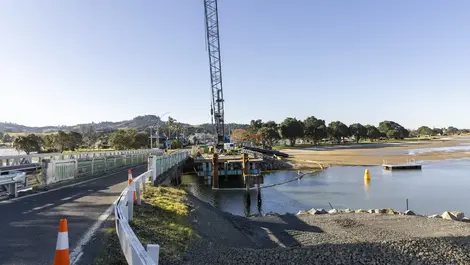
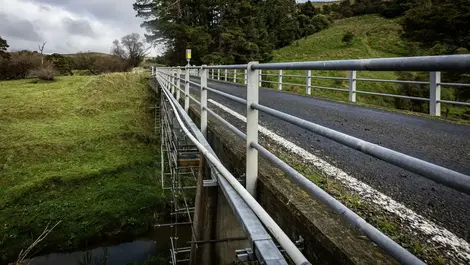
Traffic on the Coromandel's busy SH25 should ease next year, as NZTA replaces the ageing Ramarama Stream Bridge for NZD $10 million.
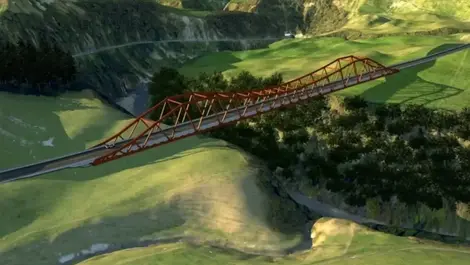
Ratepayers may face a cheaper bill by replacing the 97-year-old Alfredton bridge, after repair estimates climbed above the cost of a new structure.
Work high above the Yangtze is pushing the Shituo crossing towards four engineering records as it nears an end-2026 opening.
Rising infrastructure work in Queensland has prompted the consultancy to expand its Brisbane team to more than 24 staff since 2021.
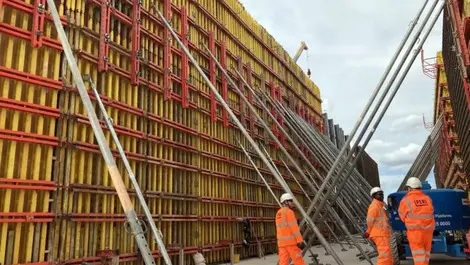
The 400-metre structure on HS2's Delta Junction eases a key bottleneck north of Birmingham, with sensors tracking pressure during pours.
Early input on temporary works could help construction clients cut risk and improve productivity as the engineering veteran takes on the new role.
Robotaxi service could be viable in Australia within 24 months if operators win approvals and prove the vehicles can handle local roads safely.
Queensland's road network stands to gain from A$9 billion in works aimed at easing freight delays, crash risks and flood disruption.
Road authorities may be missing hidden hazards as heavier rain and extreme weather increase landslip risks on high-risk corridors across Australia.
Utilities face mounting scrutiny and investment pressures, as Klarus brings in Stephen Haw to steer advice on technology, data and AI.
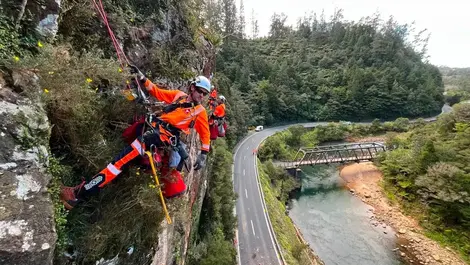
Rising rain-driven landslide risks are leaving road users exposed as inspectors miss unstable slopes hidden from view, a consultant warns.