Circular economy stories
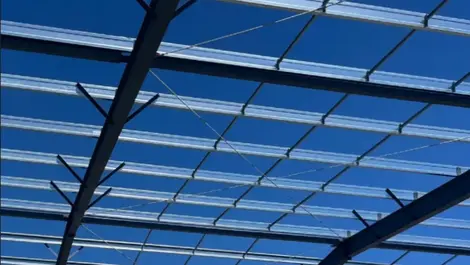
New Zealand builders could cut steel emissions by more than 90 percent by 2050 through smarter design, reuse and cleaner production.
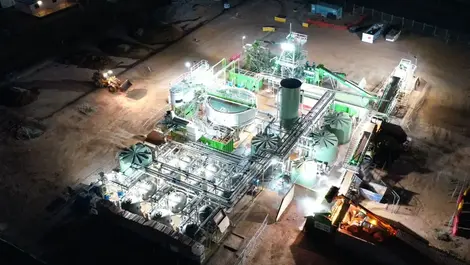
Victoria’s new soil-washing plant will let construction firms reuse polluted earth, easing landfill pressure as infrastructure demand rises.
The Guangzhou expo will draw global buyers to battery and energy storage suppliers seeking new trade opportunities in September 2026.
Hawaii is testing whether roadbuilding can reduce landfill pressure by turning marine debris and household plastic into asphalt without extra shedding.
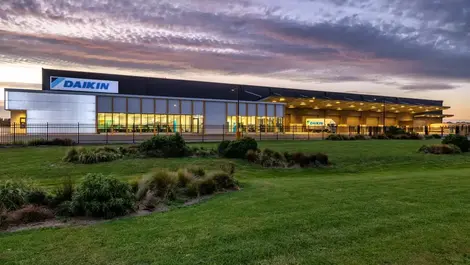
A Christchurch logistics hub will keep climate-damaging refrigerant out of landfill, cutting emissions and easing supply pressures for heat pump owners.
Water scarcity is pushing researchers to turn treated wastewater into a safe irrigation source, easing pressure on farms and rivers.
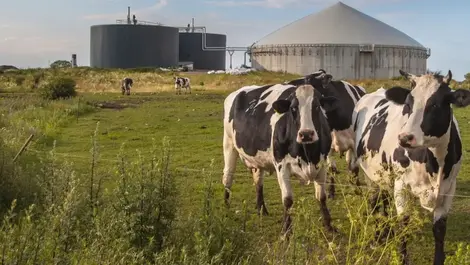
Weak methane controls could blunt the benefits of biogas and RNG, making leak detection crucial for farms, utilities and SME alike.
Material passports will fail to deliver reuse at scale unless builders can match salvaged components with compatible new projects.
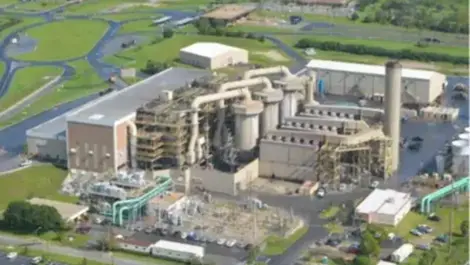
Refurbishing ageing waste-to-energy plants can cost a third as much as rebuilding, with SWANA saying the choice could secure landfill capacity for decades.
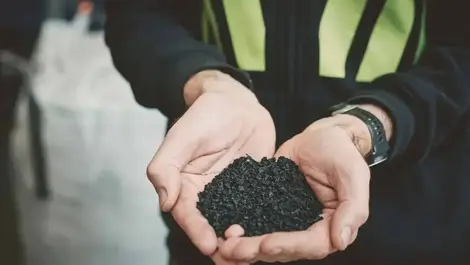
Residents in Glentunnel could see New Zealand’s first rubber road next January as Selwyn District weighs a trial using recycled tyres.
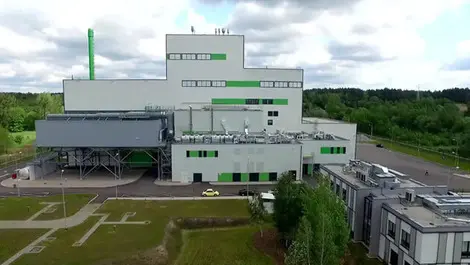
Austria’s green sector is growing despite a weak economy, while a Polish WtE plant has cut landfill use from 90% to 12% in a decade.
A German pilot due in 2027-28 could store renewable power for months, offering a long-lived alternative to costly lithium-ion batteries.
Engineers in earthquake-prone New Zealand now have updated guidance aimed at reducing building damage and improving safety in major tremors.
Old computers and discarded phones are exposing organisations to data theft, with up to a fifth of cyber incursions occurring at disposal time.
Only 30% of manufacturers have scaled Industry 4.0 beyond pilots, leaving billions in value on the table as AI and automation spread.
The new coating will help Philips outdoor luminaires last longer in harsh weather, cutting replacements and reducing manufacturing resources.
A skilled labour crunch, weak investment and slow policy change are set to keep Aotearoa New Zealand’s construction sector under strain in 2025.
Australian businesses are shifting to flexible IT financing to stay agile, preserve cashflow, and keep technology current amidst rapid innovation and economic challenges.
The Manchester firm can now push its sheep wool insulation panels towards commercial use, with live building trials and testing funded by a GBP £75,000 award.
Konica Minolta Australia, Macquarie University and ANZRP's TechCollect launch Sydney drive to recycle e-waste via free drop-off events and campus bins.