Chemicals stories
New Zealand’s 545,000 small businesses could gain cheaper chemical compliance if ministers revive industry codes of practice, the sector says.
A report warns New Zealand is missing harmful chemicals in the environment because monitoring is patchy and data on use is scarce.
A Chemtrec survey finds 28% of firms under-prioritise chemical emergency response, as most lack C-suite oversight and regular drills.
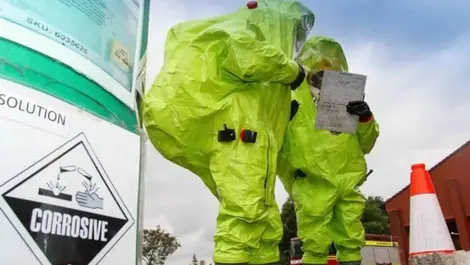
Workers were exposed to toxic fumigants after poor respirator practices at a pest control firm prompted a GBP £250,000 fine.
Public submissions have opened on a five-year phase-out of the spray, which regulators say poses health and environmental risks for orchard workers.
Stricter controls will force exporters to cut emissions as New Zealand moves to end methyl bromide use by 2033.
Eight workers suffered chemical burns after poor oversight of Mycoplasma bovis clean-up left sodium hydroxide seeping into gloves.
New rules could change spray planning, training and storage for farmers and contractors after a draft agrichemicals standard opened for comment.
A communication failure left scaffold workers exposed to caustic soda vapour, causing chemical burns and triggering more than GBP £300,000 in fines.
New demand for eco-friendly disinfectants is boosting an electrochemical cleaner that lets workplaces reopen within minutes after fogging.
Bond markets and prolonged virus disruption could strain weaker firms, with airlines, shipping and non-food retail facing the biggest risk.
Greater scrutiny will follow major infrastructure programmes as Accenture combines 5,000 specialists into a new capital projects unit.
EcoOnline's first Mega Trends Report charts a shift from compliance checklists to connected risk data and real-time frontline engagement.
Continental taps Rohit Markan to spearhead Asia Pacific industrial growth as it readies ContiTech spin-off and targets regional expansion.
Malware activity in OT and IoT environments surged and alerts on unwanted applications doubled, targeting healthcare, energy, and manufacturing.
The rising use of wireless computing devices is one of the primary factors driving the electronic materials and chemicals market share.
New opportunities have opened for the company with the sale of protective hygiene products including facemasks, hand sanitiser gels and alcohol wipes.
Financial software provider Trintech is expanding globally, with a 60% increase in sales for the first half of 2019.
Siemens teams up with CAPHENIA to automate plasma-based plants and rapidly scale synthetic jet fuel as aviation decarbonisation intensifies.
WyreStorm has partnered with Sealoc to release the industry's first weather-protected audio visual (AV) over internet protocol (IP) receiver.