Frustration over East Coast tsunami advisory confusion
Thu, 19th Nov 2026 (Today)A tsunami advisory caused East Coast residents frustration when it was issued only to be cancelled 15 minutes later.
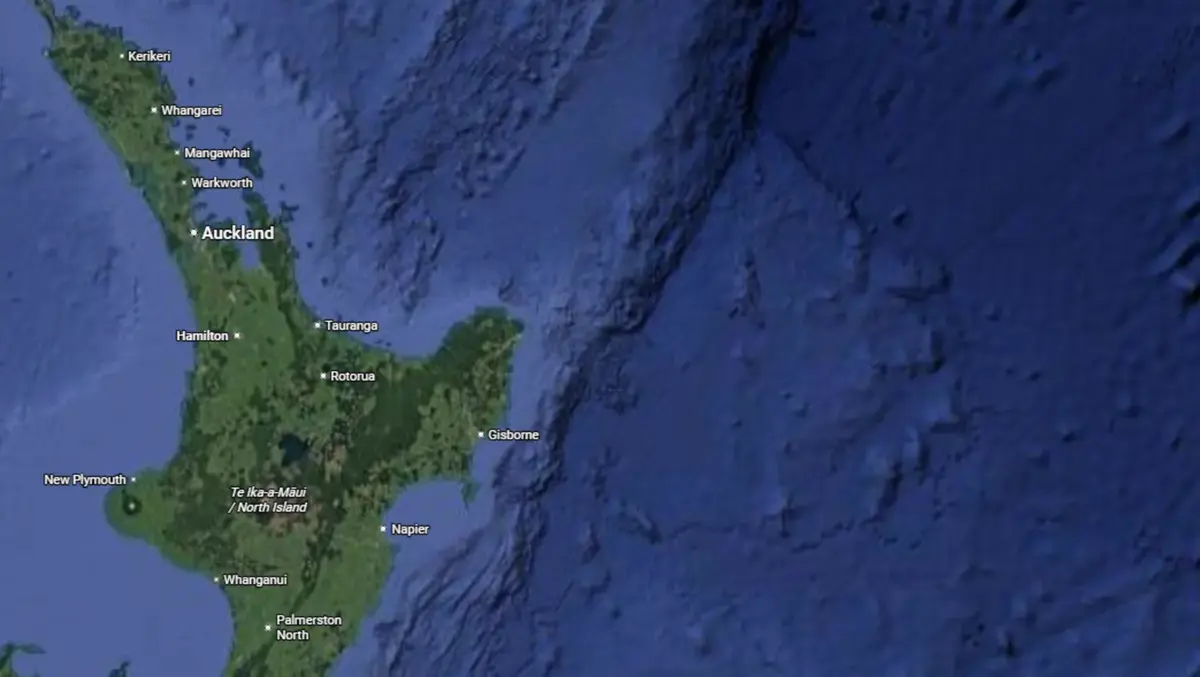
The advisory was issued by National Emergency Management Agency and Earth Sciences NZ at 5.41pm on Wednesday, warning Napier and Gisborne residents of unpredictable surges after a "rare signal" was detected on tidal gauges.
Residents took to Hawke's Bay Civil Defence Facebook page to vent their annoyance over what they perceived as too little communication.
Several commentors said they had learnt about the warning through news channels rather than through emergency management.
One commenter wrote: "We live on the Beach front and heard absolutely nothing then saw it on the news. What the heck?"
Another user said: "So unless we live on Facebook how else are we supposed to get these warnings..."
Several said they had only learnt about the tsunami warning after the advisory had been cancelled.
Tairawhiti Emergency Management group manager Ben Green said it recognised events of this nature could create anxiety and heighten public concern, particularly in the immediate aftermath of an event where uncertainty could be high.
He said an emergency mobile alert was not issued as the activity did not meet the threshold.
Earth Sciences New Zealand seismologist Sam Taylor-Offord said the cause of the activity was still being determined.
"Current data points to a weather-related source but a landslide is yet to be ruled out."
He said tidal gauges at Napier and Gisborne recorded "a rare signal" on Wednesday evening which prompted the advisory and further assessment.
The advisory was updated and determined no tsunami threats to the East Coast.
NEMA said mobile alerts were not sent because it would have been premature to do so.
The agency's deputy chief executive John Price said it didn't want to get the public involved unnecessarily, but said civil defence partners needed a precautionary warning in case action was required.
Taylor-Offord said Wednesday's alert was a reminder that damaging wave systems could occur without storms or earthquakes.
"They can sweep in and they can flood things and they can pull things out with them.
"It could be a beautiful day and you wouldn't see it because the actual height of the tide in this case is not that large but the effect can be really significant," he said.
Taylor-Offord said readings showed wave heights peaked about 5pm, but it took time to determine whether decreasing wave heights were a lull or a genuine reduction in the phenomenon.