Written by Staff Writer
RNZ’s media roundup has amplified one of Media Solutions’ infrastructure pieces, giving its audience a wider look at New Zealand’s planning debate.
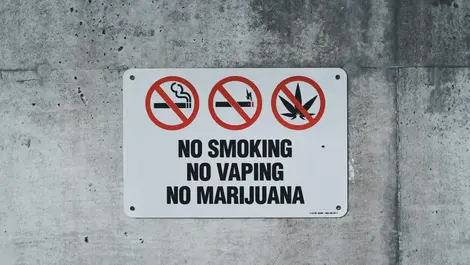
Many employers are struggling to keep drug and alcohol policies compliant as prescription medicines, cannabis and testing rules change.
Workplace safety professionals will gather in Singapore in November 2026 for seminars and workshops on APAC health and safety standards.
Businesses face new compliance guidance as WorkSafe begins consulting on three draft industry-led approved codes of practice.
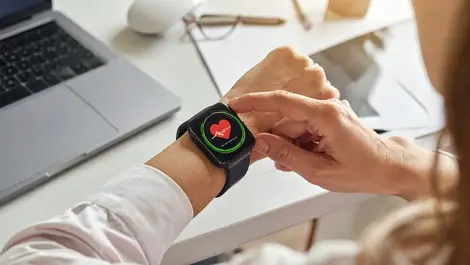
A review of 115 workplace interventions says simple, low-friction changes can lift employee health and strengthen performance.
By 2040, autonomous fleets could cut rush-hour stress and reshape cities, but public trust and infrastructure still need work.
Business faces a faster, narrower consenting regime as ministers unveil bills to replace the RMA by mid-2026.
Businesses are set for more guidance and lighter enforcement as WorkSafe pivots towards support, though some groups say consultation is still missing.
Changing drug patterns are forcing New Zealand employers to tighten testing and training as cannabis stays widespread and cocaine edges higher.
A KiwiRail worker’s near-fatal 10-metre fall has prompted WorkSafe to warn businesses that new equipment needs fresh risk checks and safer methods.
Cannabis now accounts for 71.1 percent of positive workplace drug tests, prompting New Zealand employers to tighten safety policies ahead of summer.
A long-term US study finds recommended fluoride levels in drinking water do not harm cognition and may slightly improve school test scores.
Businesses face new EPA reporting duties from January, while PFAS foam restrictions and cosmetic rules will tighten before then.
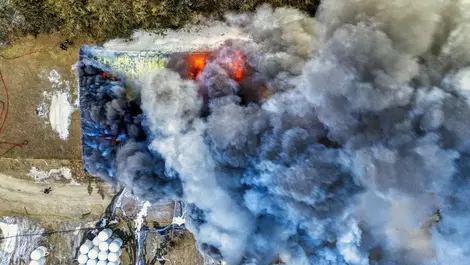
Poorly coded rules leave factories and hazardous sites exposed when floods, quakes or storms trigger fires, explosions or toxic leaks.
Nearly two-thirds of employers are now weighing safety tech as fatigue, heavy equipment and thermal stress drive serious injuries.
The breakthrough could help weaponise phages against antibiotic-resistant infections, but researchers warn the same method could aid deadly virus design.
Evidence on AI and other new workplace tech is patchy, leaving employers unclear on which tools improve safety and which add risk.
Nearly a quarter of New Zealand SMEs have already been hit by cyberattacks, with many still lacking basic defences against costly breaches.
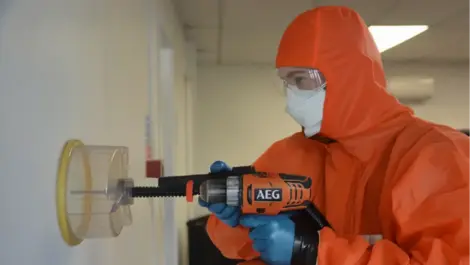
Asbestos still claims about 220 lives a year in New Zealand, making proper identification on older worksites crucial to prevent exposure.
Poorly controlled dust can trigger serious lung disease, but WorkSafe says the right industrial vacuum can keep it contained.